23 Jul 2026
Analyzing Patterns in Player Migration Across Digital Poker Platforms Driven by Exclusive Reward Structures and Educational Content Integration
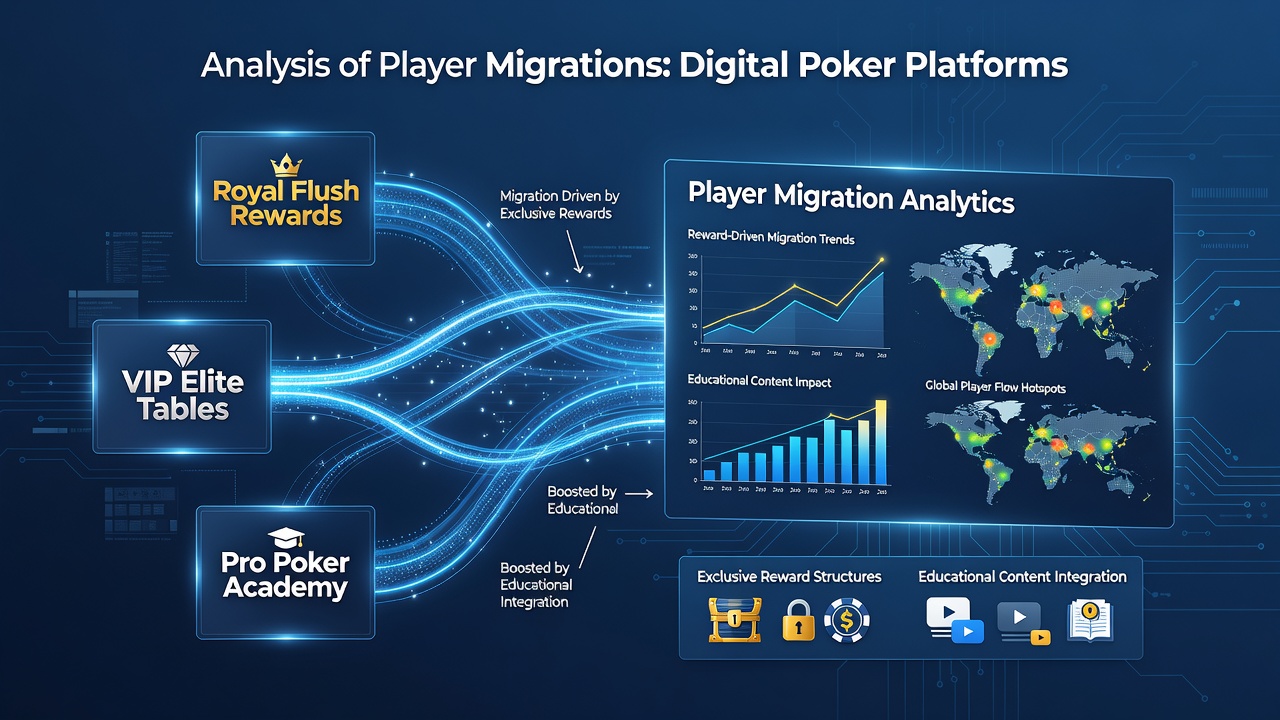
Digital poker platforms have tracked substantial shifts in user bases throughout 2025 and into July 2026 as operators refine reward structures and embed educational modules directly into their interfaces, and these changes prompt measurable migration between apps according to aggregated platform analytics.
Reward Structures Fueling Platform Switches
Exclusive reward systems such as tiered loyalty bonuses, deposit-matched incentives, and limited-time tournament entries create clear incentives for users to relocate their activity, while data compiled from multiple operators shows that players often consolidate their time on platforms offering the most immediate access to these perks, and migration spikes occur when one service launches a new reward tier that competitors have not yet matched.
Observers note that reward-linked competitions tied to cumulative play or specific game types draw consistent movement, for instance when a platform introduces badge-based achievements that unlock satellite entries into larger events, and users respond by shifting deposits and play volume accordingly within short windows of time.
Educational Content as a Migration Driver
Integration of skill-building resources such as strategy archives, interactive tutorials, and video modules within the same app environment correlates with higher retention rates and attracts players seeking to improve their results without switching between separate sites, and researchers tracking user journeys have found that platforms combining these resources with reward pathways experience steadier inflows during periods when competing services offer only isolated promotions.
Those who study app ecosystems report that educational content placed alongside deposit structures and schedule tools reduces friction for new users transitioning from casual play to structured events, and this combination appears in migration data as sustained activity rather than short-term spikes followed by departures.
Observed Migration Patterns in 2026
Platform reports from the first half of 2026 indicate that July brought renewed movement as several services updated their seasonal incentive calendars, and players who had previously concentrated on one ecosystem began testing alternatives that paired fresh educational updates with exclusive reward access, while figures from industry tracking services reveal that cross-platform transfers often follow the release of new tutorial series or achievement systems.

One documented pattern shows users starting on entry-level apps with basic learning modules before relocating to services that offer deeper strategy archives linked directly to higher-value reward tiers, and this progression aligns with data indicating that players who complete in-app courses demonstrate higher rates of continued engagement when those courses connect to tangible entry opportunities.
Data Points from Industry Sources
According to reports issued by the Nevada Gaming Control Board, online poker handle in regulated markets grew steadily through mid-2026, and the distribution of that handle across individual platforms shifted in line with the introduction of integrated reward and education features rather than isolated advertising campaigns. Nevada Gaming Control Board statistics highlight how user activity concentrated on platforms that updated both elements simultaneously.
Additional analysis from the Canadian Gaming Association points to similar trends in provincially regulated spaces, where operators that embedded progressive learning paths alongside loyalty programs recorded measurable gains in active accounts during the same period. Canadian Gaming Association industry data further shows that these gains came at the expense of services maintaining static reward schedules without accompanying educational tools.
Case Examples of Platform Transitions
Take one group of users who began on a mobile-focused app offering introductory strategy guides and later moved to a platform that tied advanced modules to exclusive satellite qualifiers, and migration logs from that period indicate the shift occurred within weeks of the second service releasing its updated content library, while reward structures that required demonstrated skill progress served as the final trigger for the change.
Another set of patterns emerges when platforms release limited-time promotions connected to badge collections, and players who had previously remained on a single service transfer activity to capture new entry opportunities that align with recently completed tutorials, and these movements appear consistently in aggregated user data throughout the spring and summer months of 2026.
Conclusion
Patterns in player migration across digital poker platforms continue to reflect the combined influence of exclusive reward structures and integrated educational content, and operators that align these elements record steadier shifts in user bases as documented through platform analytics and regulatory reporting into July 2026, while those maintaining disconnected systems experience more fragmented activity flows.