19 May 2026
Charting Player Routes from Poker Strategy Resources to Optimized Mobile Platform Selections for Reward-Linked Competitions
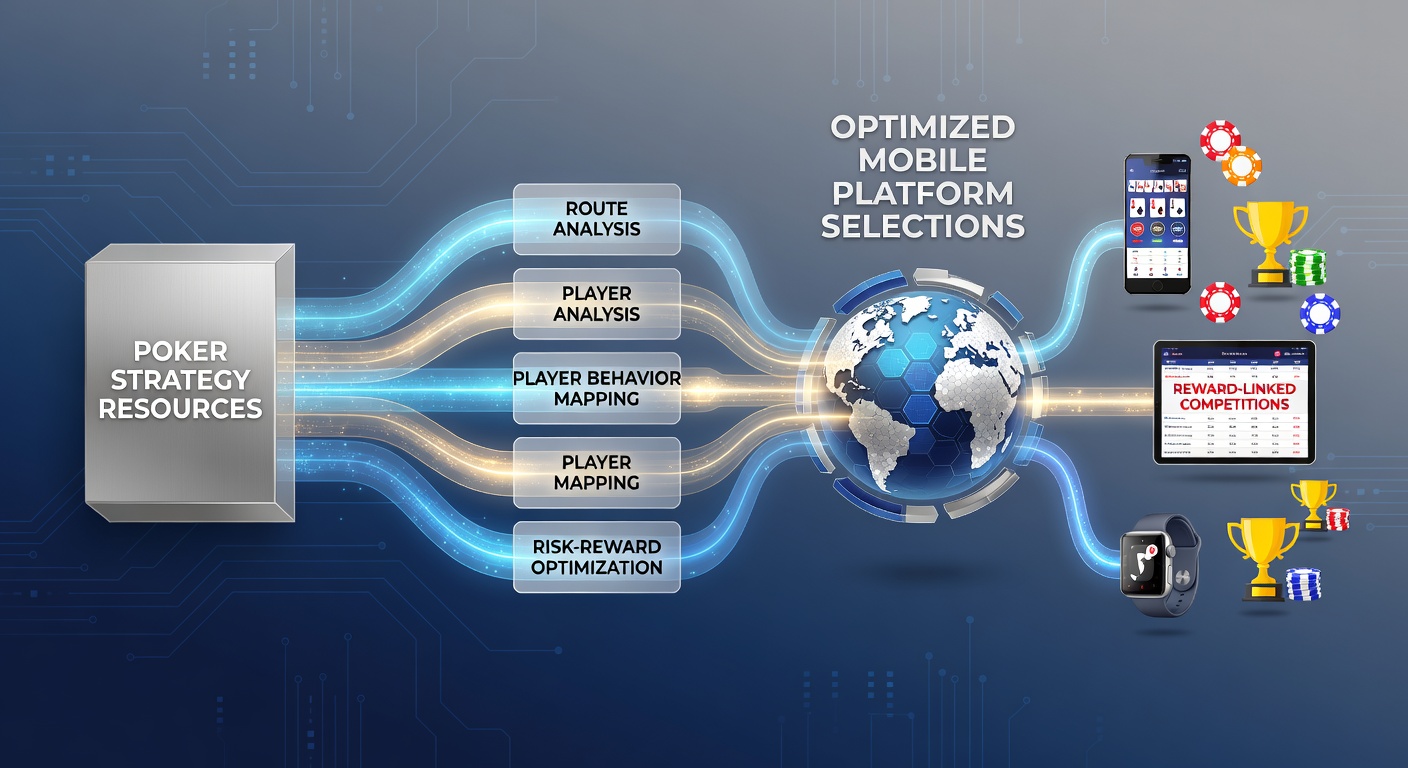
Players begin their journey by exploring established poker strategy resources that range from detailed books and video series to interactive forums and simulation software, and these materials lay the groundwork for understanding core concepts like position play, pot odds, and tournament structures before any transition occurs to digital environments. Researchers at various academic institutions have documented how structured learning paths improve decision-making accuracy, while data from industry reports shows consistent growth in players who combine foundational study with practical application on mobile devices. Observers note that many enthusiasts start with free online articles and progress to paid courses, creating a clear progression that eventually leads them toward platforms offering tangible rewards through competitions.
Building Foundations Through Strategy Resources
Strategy resources provide the essential building blocks, and players often turn to comprehensive guides from established authors who break down complex scenarios into actionable steps while others rely on community-driven discussions that highlight real-world examples from major events. Studies indicate that regular engagement with these materials correlates with higher retention rates in competitive play, and those who dedicate consistent time to reviewing hand histories or using equity calculators develop sharper instincts over months of practice. What's interesting is how these resources frequently incorporate updates tied to evolving tournament formats, which prepares individuals for the dynamic nature of reward-linked events where bankroll management and risk assessment become critical factors.
Shifting Focus to Mobile Platform Evaluation
Once core skills solidify, attention turns to mobile platforms that integrate reward systems directly into their competition structures, and users evaluate factors such as app stability, game variety, and bonus mechanics before committing to any particular service. Figures from regulatory bodies like the Nevada Gaming Control Board reveal steady increases in mobile poker participation across regions, while similar trends appear in reports issued by Canadian provincial authorities overseeing online gaming activities. Players compare features including daily freerolls, loyalty point accumulation, and satellite qualifiers that feed into larger prize pools, and this evaluation process often involves testing multiple apps through low-stakes entries to gauge overall value.
Observers have tracked how individuals create personalized checklists covering deposit methods, withdrawal speeds, and customer support responsiveness, and these criteria help narrow choices among dozens of available options in competitive markets. Data shows that platforms emphasizing reward-linked competitions attract users who already possess strong strategic backgrounds, since those players seek environments where skill advantages translate into measurable returns rather than pure chance-based outcomes. But here's the thing: seamless integration between learning tools and app interfaces matters greatly, as users appreciate features that allow quick reference to strategy notes during short sessions or between tournament breaks.
Aligning Selections with Reward-Linked Competition Goals
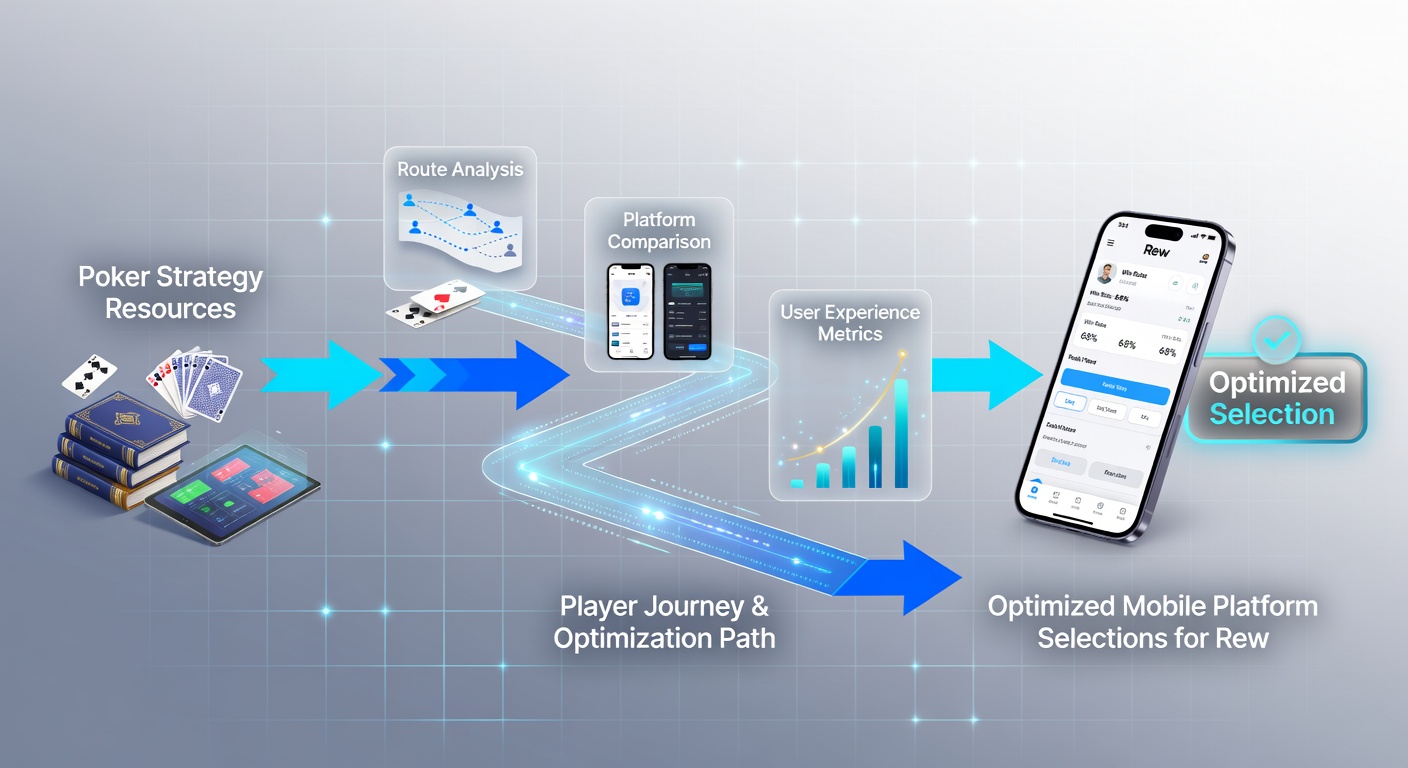
Optimized selections emerge when players match their learned strategies to platforms that host frequent reward-linked events, and this alignment often includes participation in satellite tournaments that offer pathways to major series scheduled for later dates. In May 2026 the WSOP Circuit is set to return to Caesars New Orleans for an 18-ring series, creating additional motivation for mobile users who want to build both skills and bankrolls through app-based competitions ahead of such in-person gatherings. Those who've studied player migration patterns report that individuals frequently use mobile rewards as stepping stones, converting smaller wins into entries for larger events while continuing to refine techniques through ongoing resource review.
Experts have observed that successful routes involve periodic reassessment of platform performance against personal goals, and this includes monitoring changes in reward structures or new competition formats introduced by operators. Research indicates higher engagement levels among users who treat mobile selections as dynamic choices rather than fixed decisions, allowing adjustments based on evolving needs or regional availability. There's this case where participants combined strategy study with targeted app usage to accumulate points redeemable for tournament tickets, demonstrating practical outcomes from methodical planning across both learning and execution phases.
Tracking Progress and Refining Routes
Progress tracking tools within apps complement external strategy resources, and many platforms now offer built-in analytics that let users review their performance metrics alongside hand reviews from independent study materials. According to findings published through academic channels focused on behavioral gaming patterns, individuals who maintain detailed records across resources and platforms show improved long-term results in competitive settings. People often discover that cross-referencing app data with insights from established poker training sites strengthens their overall approach, creating feedback loops that accelerate skill development without requiring constant platform switches.
Conclusion
Routes from poker strategy resources to optimized mobile platform selections for reward-linked competitions follow logical progressions supported by documented player behaviors and industry metrics, and these pathways continue to evolve alongside new technological features and scheduled events like the upcoming WSOP Circuit in May 2026. Players who methodically connect foundational learning with practical app choices position themselves for sustained participation in competitive environments where rewards reflect applied knowledge. Continued observation of these patterns provides valuable insights into how strategic preparation intersects with digital accessibility across global markets.