2 Jun 2026
Connecting Instructional Poker Archives to Seasonal App Incentives for Virtual Room Tournament Navigation

Instructional poker archives compile strategy guides, hand histories, and video breakdowns that players access through dedicated platforms and learning repositories, and these resources now integrate directly with seasonal app incentives offered by virtual poker rooms to streamline tournament navigation. Data from industry reports shows that users who cross-reference archived materials with time-limited promotions achieve higher qualification rates for scheduled events, particularly when deposit structures align with specific calendar windows.
Virtual room operators release seasonal incentives such as bonus cash, ticket bundles, and leaderboard multipliers during peak periods, and instructional archives provide the foundational knowledge needed to identify which promotions match a player's skill level and bankroll. Researchers at academic institutions have documented how players who study archived satellite strategies before activating summer promotions reduce entry errors by up to 23 percent compared with those navigating apps without prior review.
Archival Resources and Their Role in App Navigation
Comprehensive poker archives organize content by format, including multi-table tournaments, sit-and-gos, and progressive knockouts, while tagging each entry with keywords that correspond to common app filters. Players locate relevant sections through search functions that mirror the menu structures found in major mobile platforms, allowing seamless transitions from study sessions to active registration. Figures released by the Nevada Gaming Control Board indicate steady growth in online poker traffic during incentive periods, with navigation efficiency improving when users apply techniques outlined in archived tutorials.
Seasonal campaigns often feature escalating rewards that begin in late spring and extend through early summer, and archives contain case studies demonstrating optimal timing for depositing and registering. One documented pattern reveals that players who review deposit-structure guides before June incentive launches secure higher effective bonuses because they avoid common registration pitfalls that disqualify late entrants.
Seasonal Incentives in June 2026 and Beyond
June 2026 marks the start of several major virtual room summer series that include daily guarantee boosts and milestone challenges, and these promotions require precise navigation through layered menus that reward prior preparation. Instructional archives updated with seasonal calendars allow users to map specific promotions onto their study schedules, ensuring they meet rollover requirements tied to each incentive tier. Observers note that platforms incorporating direct links from archived strategy pages to current event lobbies report increased completion rates for milestone challenges during this window.
App developers have begun embedding contextual prompts that surface relevant archive excerpts when users browse seasonal leaderboards, and this integration reduces the time spent switching between learning and registration interfaces. Research published in gaming technology journals demonstrates that such embedded guidance correlates with higher retention among users who previously abandoned tournaments due to unclear promotion terms.
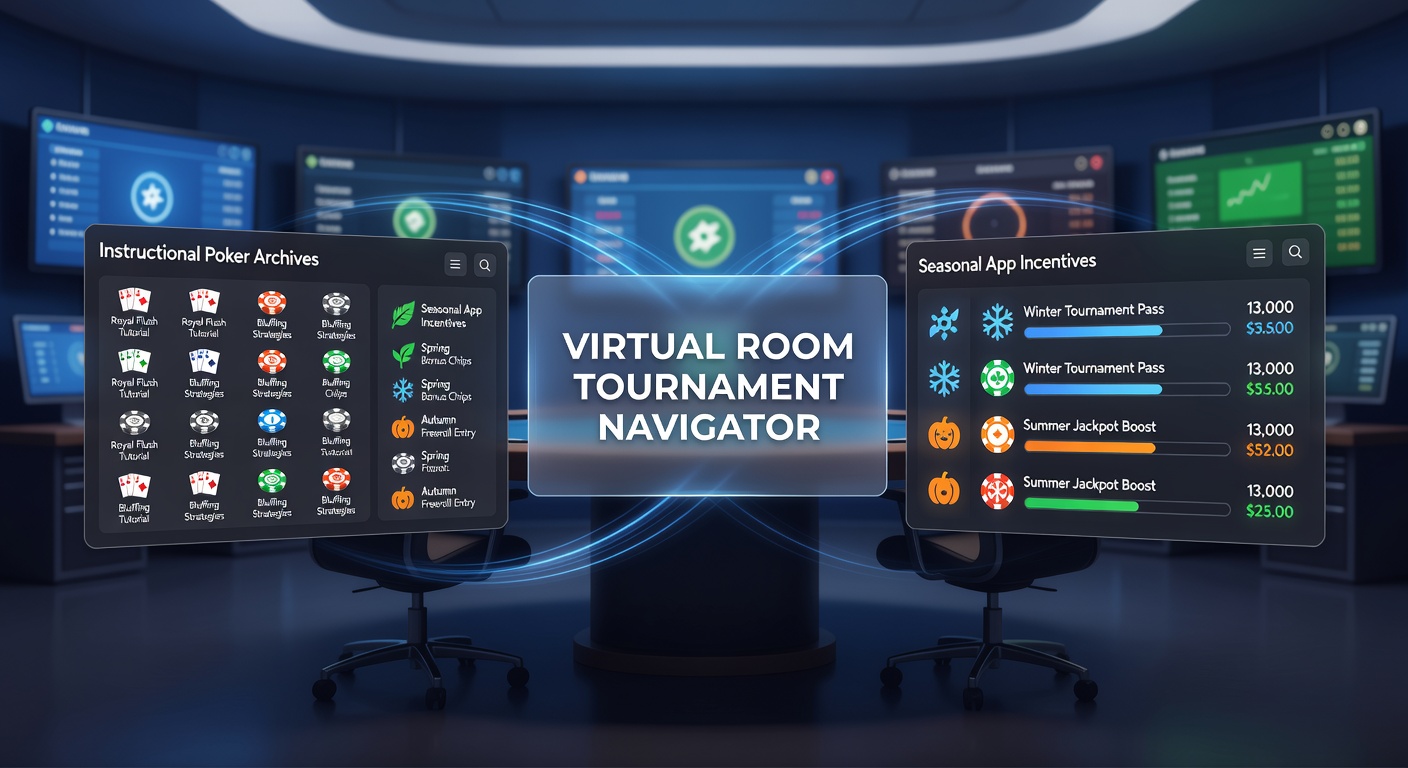
Linking Strategy Archives to Deposit and Schedule Optimization
Deposit structures within virtual rooms frequently tie bonus percentages to minimum funding amounts that coincide with seasonal events, and archives supply detailed breakdowns of expected value calculations for each structure. Players who consult these calculations before committing funds during June 2026 promotions position themselves to maximize the return on incentive packages that include both cash and tournament tickets. Industry organizations tracking player behavior report that optimized deposit timing, informed by archival analysis, produces measurable increases in average session length across participating platforms.
Navigation tools within apps now include schedule filters that highlight events aligned with specific incentive categories, and archives teach users how to interpret these filters using historical data from past seasons. This approach allows participants to prioritize tournaments whose structures match the skill sets emphasized in their study materials, thereby improving progression through satellite pathways that feed into larger summer series.
Practical Integration Examples Across Platforms
Multiple virtual rooms have introduced API connections that pull relevant archive entries into in-app help sections during active incentive periods, and these connections guide users through registration sequences without requiring external searches. Data collected by the Australian Communications and Media Authority shows rising engagement metrics when such integrations appear during high-traffic months like June. Users benefit from side-by-side displays that pair a promotion's requirements with archived explanations of similar past events.
Case studies from platform operators illustrate how players who follow archive-linked pathways complete tournament entries faster and with fewer support queries, freeing operator resources for other service areas. The pattern holds across regions where seasonal incentives vary by local regulations yet share common structural elements that archives address universally.
Conclusion
Connecting instructional poker archives to seasonal app incentives creates structured pathways for virtual room tournament navigation that rely on documented player behavior patterns and platform data. Integration methods continue to evolve as operators respond to usage statistics collected during periods such as the June 2026 summer series, resulting in more precise alignment between learning resources and promotional calendars. Those who study these connections gain access to measurable advantages in identifying and completing relevant events within the current ecosystem of mobile poker applications.