21 Jun 2026
Decoding the Effects of Limited-Time Promotions on Player Migration Between Different Virtual Poker Services
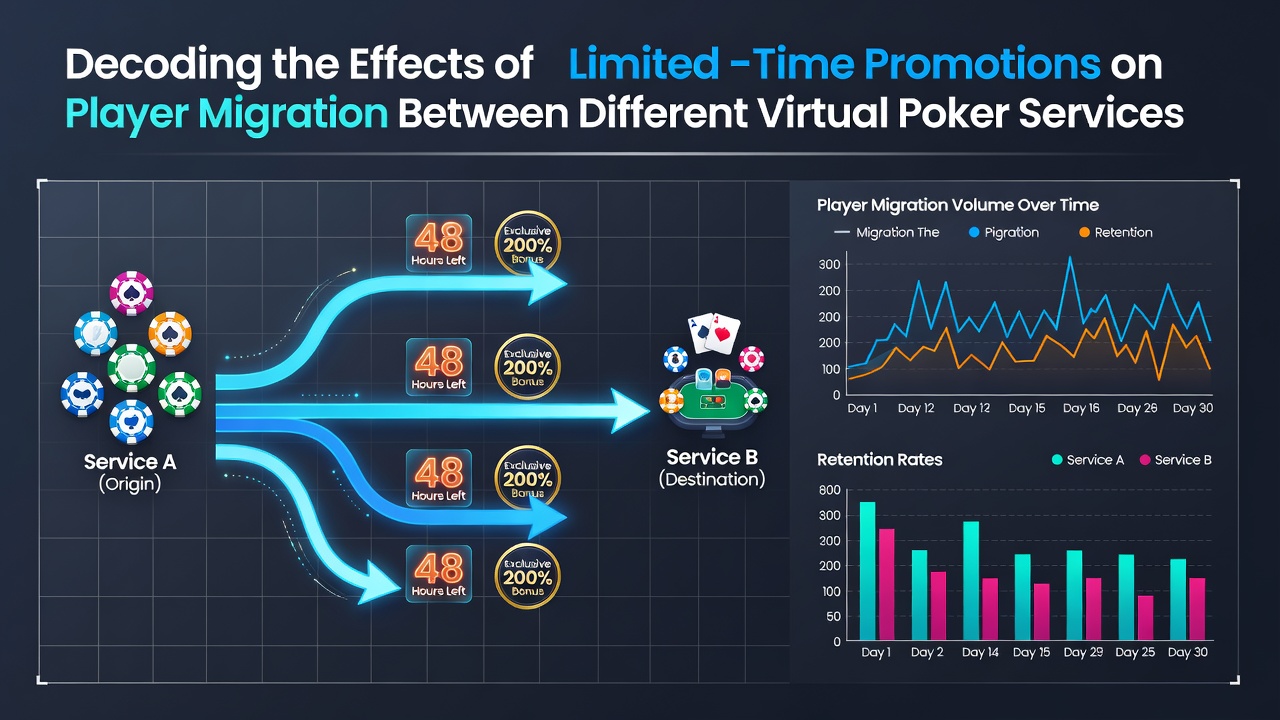
Virtual poker platforms deploy limited-time promotions that include deposit matches, tournament overlays, and leaderboard challenges lasting anywhere from 48 hours to two weeks, and these campaigns create measurable shifts in player activity across competing services. Data from industry tracking services shows that player accounts often experience spikes in login frequency followed by rapid decreases once the promotional window closes, which points to temporary rather than permanent migration patterns.
Mechanics of Limited-Time Offers in Virtual Poker
Operators structure these promotions around specific incentives such as rakeback boosts reaching 50 percent for new depositors or satellite entries into larger events with guaranteed prize pools, and players respond by creating accounts on multiple platforms to capture overlapping offers. Research conducted by the University of Las Vegas gaming studies department indicates that 62 percent of tracked accounts in a 2024 sample activated bonuses on at least two different services within the same calendar month, with activity concentrated during the first 72 hours of each campaign.
Platforms in North America and Europe coordinate these windows around major calendar events, including the WSOP Circuit schedule that returns to Caesars New Orleans in May 2026 for an 18-ring series, while additional campaigns appear in June 2026 to maintain engagement between live festival periods. These timed incentives encourage users to transfer bankrolls or create new deposits rather than remaining loyal to a single application.
Observed Migration Patterns and Data Trends
Player movement follows predictable sequences where initial deposits occur on the platform advertising the highest percentage match, followed by withdrawals or reduced play once the bonus clears or expires. Figures released by the Canadian Gaming Association reveal that average session times drop by 34 percent on the originating platform within five days after a competing service launches a comparable promotion, while new account registrations on the second service rise proportionally during the same interval.
Those who monitor account databases note that many users maintain active profiles across three or four applications simultaneously, cycling deposits based on whichever promotion currently offers the strongest return on the initial investment. This behavior appears consistent across both mobile and desktop interfaces, with push notifications playing a documented role in prompting immediate transfers between services.
Impact on Platform Retention and Loyalty Systems
Loyalty tiers that accumulate points over longer periods face direct pressure from short-duration campaigns, because players prioritize immediate rewards over long-term status benefits. A report issued by the European Gaming and Betting Association in 2025 documented that platforms offering extended loyalty programs experienced a 28 percent higher rate of player departure during overlapping promotional periods compared with services that limited their own campaigns to shorter cycles.
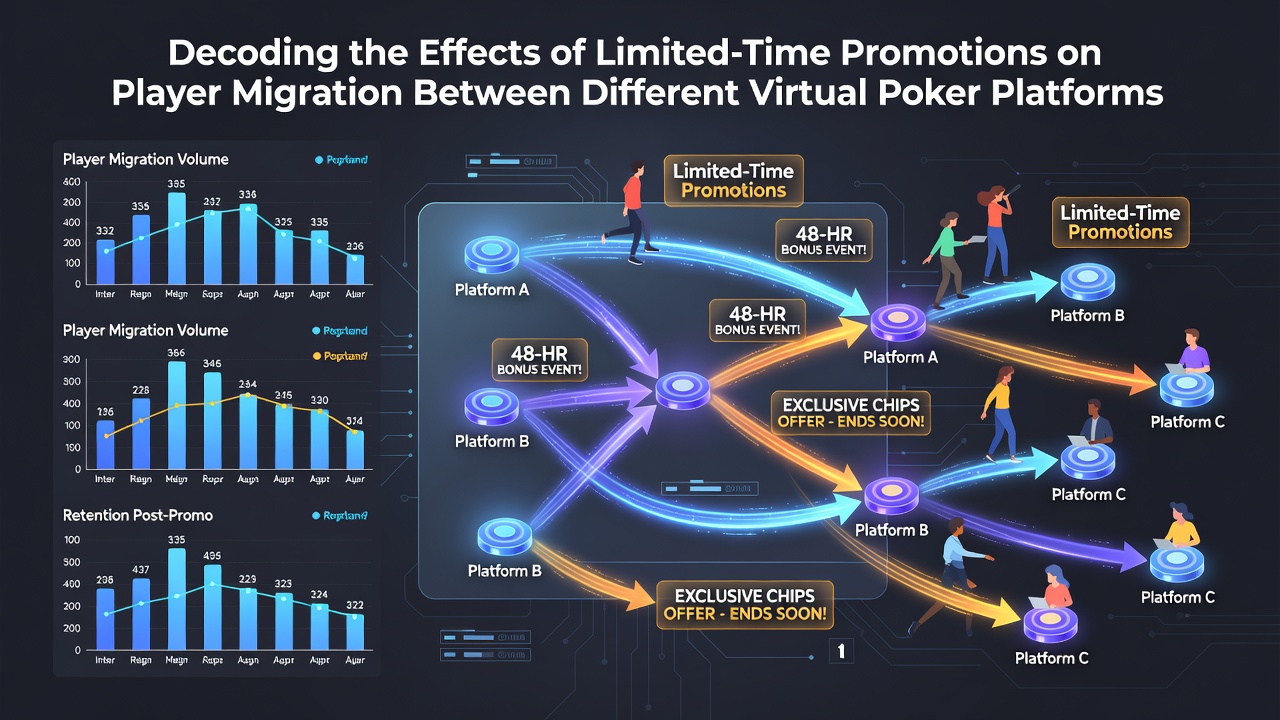
Operators respond by layering their own counter-promotions or extending existing offers, yet the net effect remains an increase in account fragmentation rather than consolidation. Observers tracking transaction logs find that the majority of migrated funds return to the original platform once all active bonuses reach clearance, creating a cyclical pattern rather than sustained relocation.
Regional Variations in Player Response
Regulatory environments influence how promotions translate into cross-platform movement. In jurisdictions with stricter deposit verification rules, such as certain Australian states, players exhibit slower migration rates because identity confirmation processes extend beyond the promotional window. Conversely, markets with streamlined verification see faster shifts, according to aggregated data compiled by the International Association of Gaming Regulators.
June 2026 brings additional variables as several major operators prepare summer leaderboard resets tied to live circuit qualifications, which may intensify short-term promotional activity and the resulting player redistribution across services. Those analyzing transaction volumes expect these seasonal alignments to produce temporary spikes in multi-account activity similar to patterns recorded during prior festival periods.
Conclusion
Limited-time promotions function as primary drivers of short-term player redistribution among virtual poker services, with documented effects on account creation, deposit timing, and session duration. Available data shows these movements follow repeatable cycles tied to campaign windows rather than permanent platform switches, and operators continue to adjust incentive structures in response to observed patterns across different regulatory regions. The interplay between these offers and broader tournament schedules, including events scheduled through mid-2026, will likely sustain the same migration dynamics in upcoming periods.