14 Jul 2026
Integrating Performance Metrics and Seasonal Incentives in Smartphone Poker Applications for Live Event Pathways
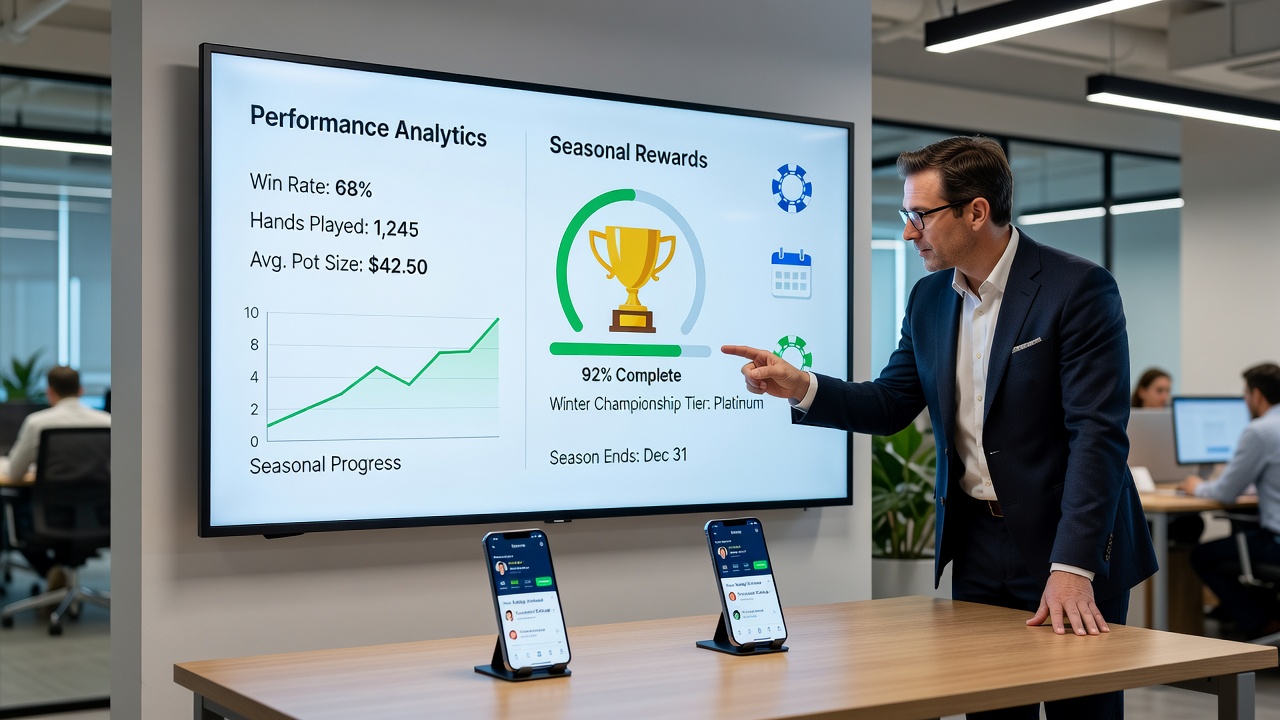
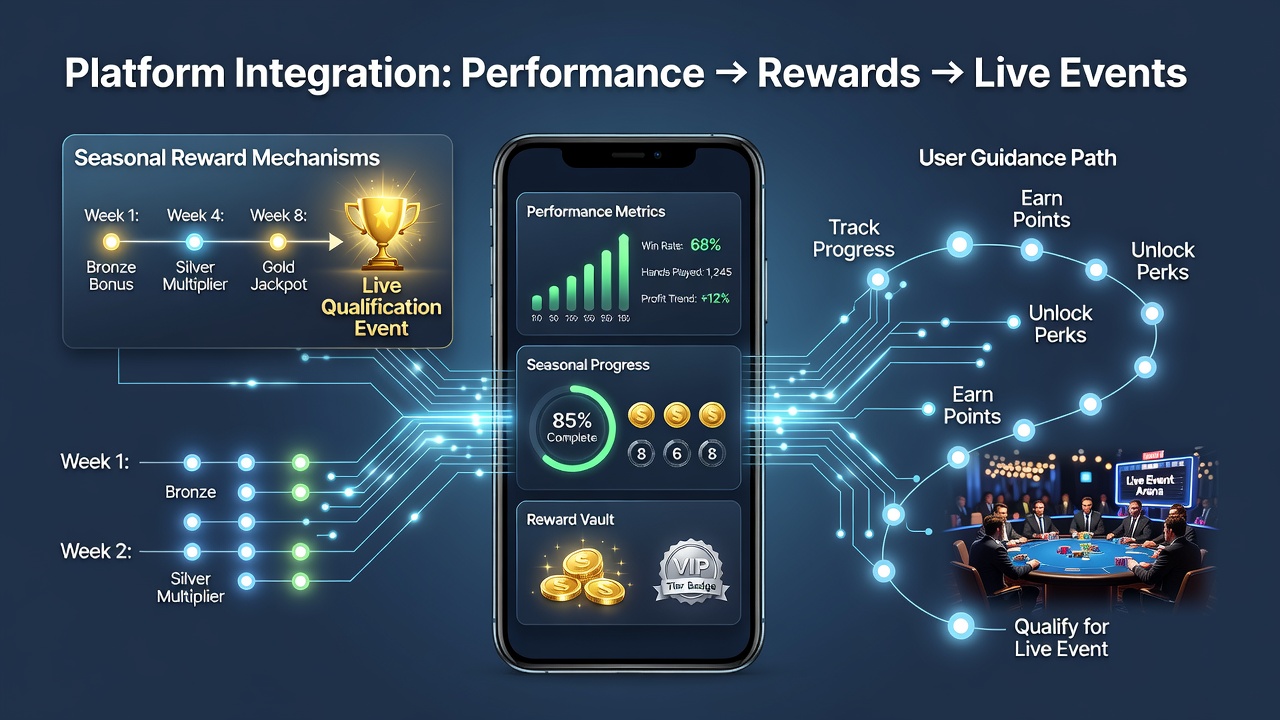 Smartphone poker platforms collect extensive data on user activity including hand histories, win rates, and session durations, then align these metrics with seasonal reward structures that unlock entry paths to live tournaments. Data from multiple operators shows these systems operate through centralized dashboards where players view real-time statistics alongside progress bars tied to upcoming live circuits. The mechanisms rely on algorithms that convert tracked performance into points or badges, which accumulate toward satellite qualifiers or direct buy-in credits for events such as the World Series of Poker Circuit stops. Observers note that performance tracking begins at account creation with baseline metrics established during initial play sessions. These platforms record variables such as voluntary put money in pot percentages, preflop raise frequencies, and postflop aggression factors before layering seasonal overlays. Seasonal programs typically span three to six months and feature escalating reward tiers, where consistent achievement of tracked thresholds grants access to private tournaments that feed into live qualification routes. Figures from industry reports indicate that participants who engage with these integrated tools show higher completion rates for qualification milestones compared to those who do not.
Core Components of Performance Tracking Systems
Platforms employ application programming interfaces to pull data from game servers into user-facing analytics panels, presenting breakdowns by game type, stake level, and time period. Users receive automated summaries that highlight strengths and areas for improvement while simultaneously calculating eligibility for seasonal bonuses. Researchers at institutions studying digital gaming behavior have documented how these dashboards reduce the cognitive load on players by automating what once required manual spreadsheet tracking. Seasonal reward mechanisms build directly on this data stream by assigning multipliers during promotional windows, such as holiday periods or circuit launch phases. Points earned through tracked wins or volume thresholds convert into leaderboard positions, with top placements receiving sponsored entries to live festivals. The connection between virtual achievements and physical events occurs through automated ticket distribution systems that sync with major tournament calendars.Pathways Linking Virtual Metrics to Live Qualifications
Qualification routes often follow a tiered structure where early-season performance unlocks entry into mid-tier satellites, while sustained results throughout the period grant higher-value packages including travel stipends. Multiple apps now embed calendar integrations that flag upcoming live events and display the exact tracked statistics required for each associated reward. Evidence from operator disclosures reveals that these pathways have expanded in recent years to include regional circuits across North America and Europe. In July 2026 several platforms will run special mid-year leaderboards aligned with the tail end of the WSOP schedule and early European festival stops. Players accumulate points through tracked online volume during June and July, then convert those into entry tokens for live side events or main series satellites. This timing allows seasonal cycles to bridge the gap between spring online peaks and summer live concentrations.