12 Jul 2026
Mapping digital achievement systems in smartphone card games to pathways toward international festival qualifications
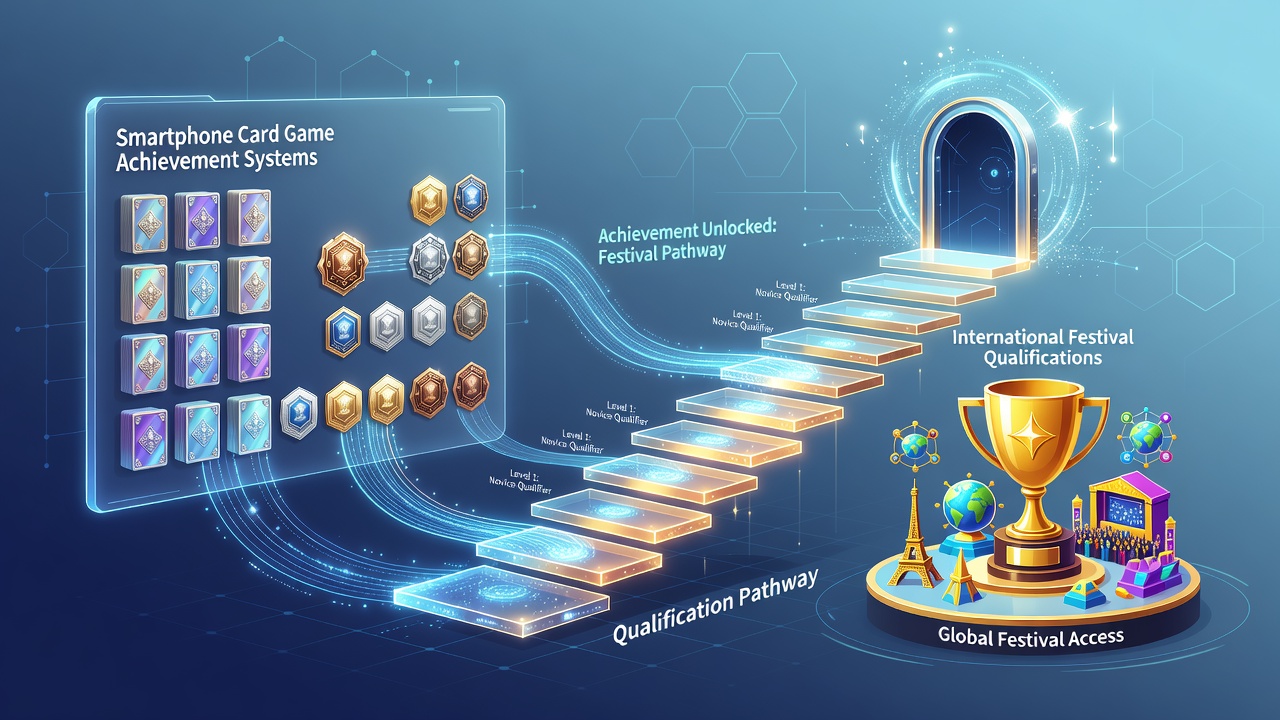 Digital achievement systems in smartphone card games track player performance through layered metrics that include win rates, streak counts, and completion of specialized challenges. These platforms record data points such as consecutive victories in games like rummy variants or spades tournaments while assigning tiered badges that reflect cumulative progress. Observers note that developers integrate these systems directly into user profiles, allowing seamless export of verified statistics to external qualification portals for larger events. Achievement structures often operate on modular frameworks where basic tasks unlock intermediate rewards and advanced milestones open specialized tracks. Research indicates that mobile applications maintain transparent logs of these accomplishments, which players can then submit through official channels to festival organizers. Data from industry reports shows participation rates rising when apps connect internal progress markers to real-world entry criteria.
Core Components of In-App Tracking Mechanisms
Smartphone card game applications employ algorithms that monitor multiple variables simultaneously, including time spent on specific modes and accuracy in decision sequences. These systems generate visual representations such as trophy collections and percentile rankings that update in real time. Figures reveal consistent correlations between sustained engagement with achievement paths and subsequent qualification submissions to international circuits.
Developers structure rewards around escalating difficulty levels, starting with introductory objectives like completing a set number of hands and advancing to complex requirements involving strategic combinations. According to studies from the Interactive Games and Entertainment Association in Australia, these layered designs encourage retention while building verifiable skill portfolios that align with festival standards.
Transition Pathways from Digital Metrics to Festival Entries
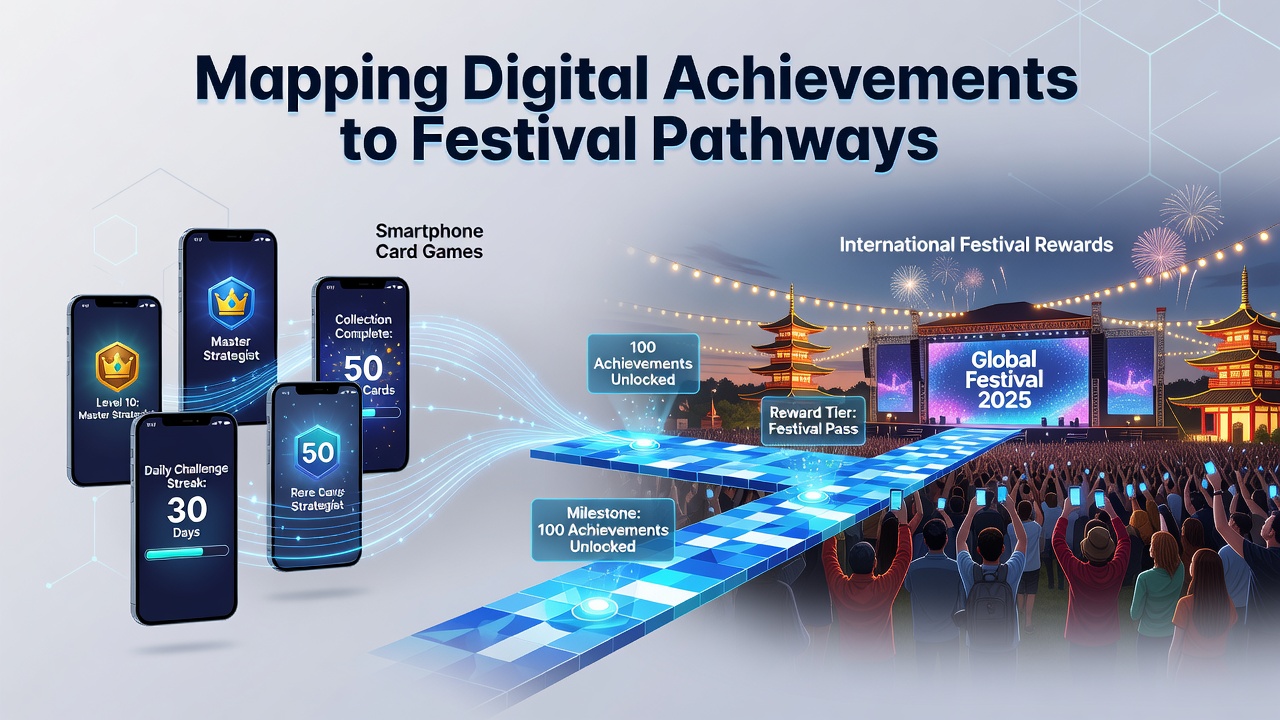
Qualification routes typically require players to demonstrate thresholds in areas such as overall win percentages and participation consistency across seasons. Smartphone platforms facilitate this by providing exportable certificates or API integrations that festival committees accept as proof of competency. Those who've examined these connections find that certain badge categories map directly onto preliminary rounds at events scheduled for mid-2026.
International festivals in July 2026 incorporate digital qualification streams alongside traditional registration methods, allowing top-ranked mobile participants automatic advancement to regional qualifiers. Evidence suggests that achievement systems emphasize objective performance indicators, which reduces subjectivity in selection processes compared to manual applications alone.
Examples of Badge-to-Entry Correlations
- Streak-based badges often correspond to entry into preliminary brackets at festivals focused on endurance formats.
- Challenge completion awards align with skill demonstration segments that determine seeding positions.
- Leaderboard placements serve as direct qualifiers for sponsored travel packages to host venues in various regions.
Organizations such as the European Games Federation have documented cases where integrated tracking tools streamline the verification process for applicants from multiple countries. This approach connects smartphone data repositories to centralized databases used by event coordinators.
Role of Seasonal Updates and Platform Integrations
Card game applications release periodic content updates that introduce new achievement categories timed with upcoming festival calendars. These additions maintain relevance by incorporating themes from scheduled international gatherings. Researchers have observed that players who align their progression with these cycles increase their eligibility odds for qualification windows opening in 2026.
Cross-platform compatibility features allow achievements earned on one device to transfer across ecosystems, broadening access for participants in diverse geographic areas. Reports from Canadian regulatory bodies highlight how standardized data formats support fair evaluation across borders when festivals review submissions.
Conclusion
Digital achievement systems establish structured bridges between smartphone card game performance and international festival access by converting tracked accomplishments into recognized qualification credentials. Patterns in platform design and festival requirements demonstrate ongoing alignment between in-app metrics and external selection criteria. Continued development in these areas supports expanded participation opportunities through verified digital pathways as events approach in July 2026 and beyond.