25 Jun 2026
Mapping User Journey Evolutions from Casual Mobile Game Downloads to Structured Tournament Entries via Integrated Learning Modules
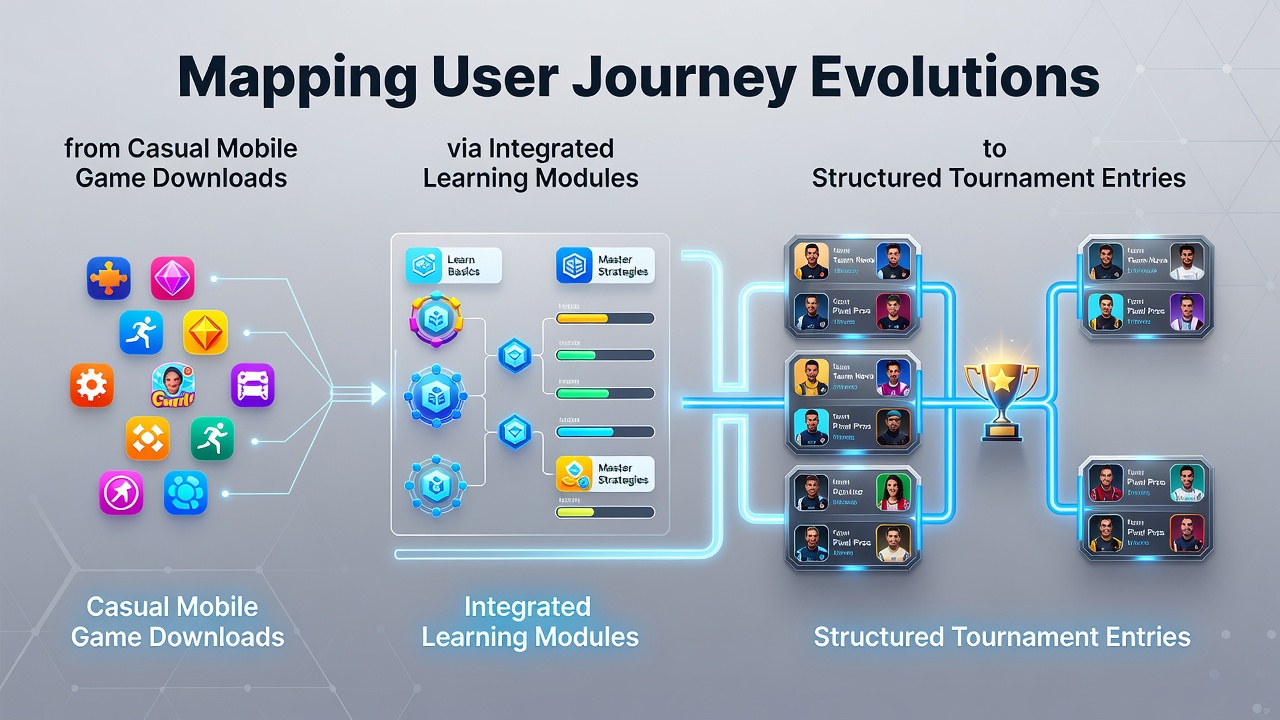
Developers track player movements from initial app installs into competitive formats through structured pathways that rely on embedded educational components, and industry data shows these sequences follow consistent patterns across multiple platforms. Casual downloads typically occur through standard storefront recommendations or social referrals, after which users encounter basic gameplay loops designed to retain attention during the first sessions.
Initial Engagement Patterns
Research from the Entertainment Software Association indicates that a significant portion of mobile installs lead to short-term play sessions focused on simple mechanics, while retention improves when apps introduce optional skill-building elements early. Players often interact with core loops involving resource collection or match-based challenges before any progression systems activate, and data reveals that tutorial prompts appear within the first few minutes for most titles.
Those who continue past the opening levels encounter integrated learning modules that present mechanics in incremental stages, covering topics like strategy adjustments and resource management without disrupting the primary experience. These modules operate as optional overlays or separate sections that unlock based on playtime milestones, allowing users to advance at their own pace.
Transition Through Skill Development
Integrated modules function as bridges by combining instructional content with immediate application opportunities, and reports from the Interactive Games and Entertainment Association document how completion rates correlate with increased session lengths. Users who engage with these features demonstrate measurable improvements in metrics such as accuracy or decision speed, which platforms record through backend analytics.
Progression tracking occurs via achievement systems that log module completions alongside gameplay statistics, creating visible markers of advancement that encourage further interaction. Developers design these systems to feed directly into qualification criteria for events, where accumulated data determines eligibility for entry into structured competitions.
Entry into Structured Events
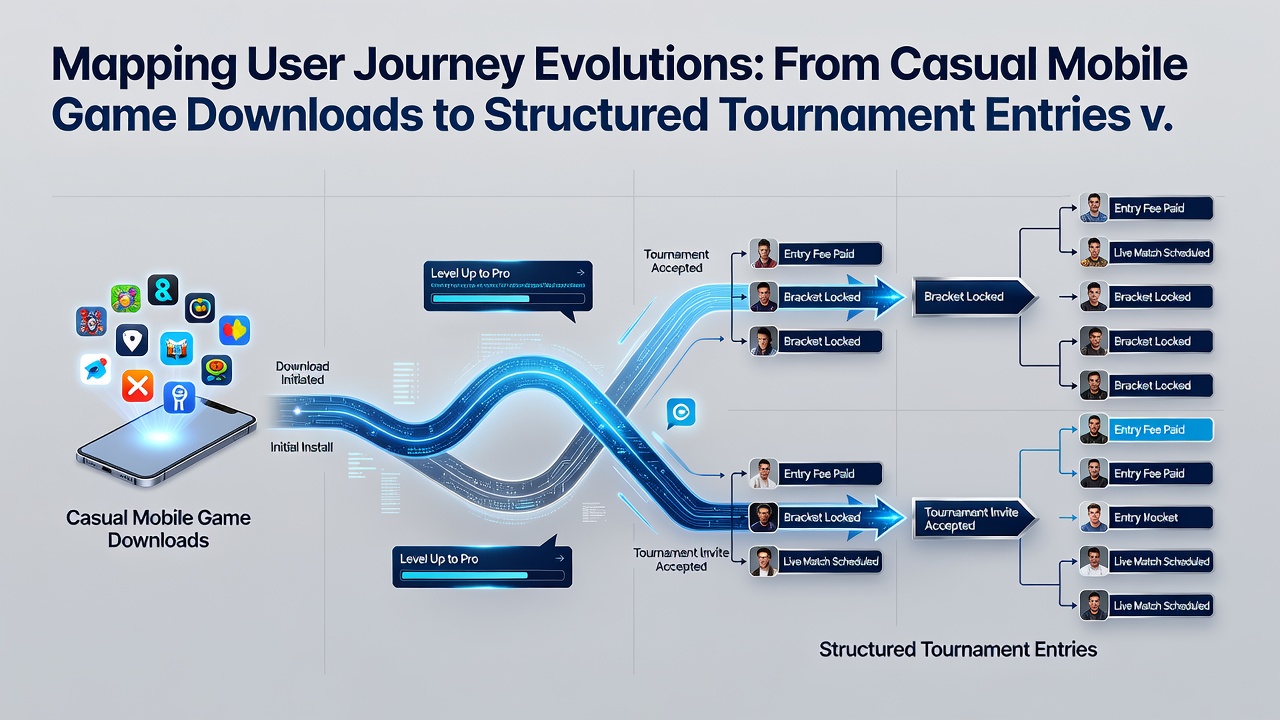
Once players accumulate sufficient module completions and performance data, platforms surface opportunities for tournament participation through in-app notifications or dedicated event tabs. These entries range from free daily brackets to paid structures with larger prize pools, and entry requirements often specify minimum thresholds in learning progress or win rates tracked over defined periods.
Platform operators maintain transparent qualification pathways that link module achievements to event access codes or automatic registrations, reducing friction for users who have followed the recommended sequence. Observers note that seasonal calendars in 2026 include multiple such events scheduled throughout the year, with some series commencing qualification windows as early as June.
Data Integration and Platform Analytics
Backend systems aggregate journey data to refine module difficulty and event matching algorithms, ensuring that participants encounter appropriately scaled challenges. Figures from industry analyses reveal that titles employing these integrated approaches experience higher conversion rates from casual users to competitive participants compared to those without structured learning components.
Cross-platform compatibility allows data from mobile sessions to inform eligibility for linked desktop or console events, expanding the reach of individual player profiles. Developers adjust these connections based on aggregated user behavior patterns collected across regions, maintaining consistency in how learning milestones translate to competitive access.
Conclusion
Mapping these evolutions highlights the role of sequential design elements in guiding users from initial downloads toward organized competition, with integrated modules serving as central connectors in the process. Platform data continues to shape refinements in how these pathways operate across different game categories and user demographics.