26 May 2026
Poker App Ecosystems: Linking Educational Materials to Optimized Bonus Utilization in Virtual Rooms
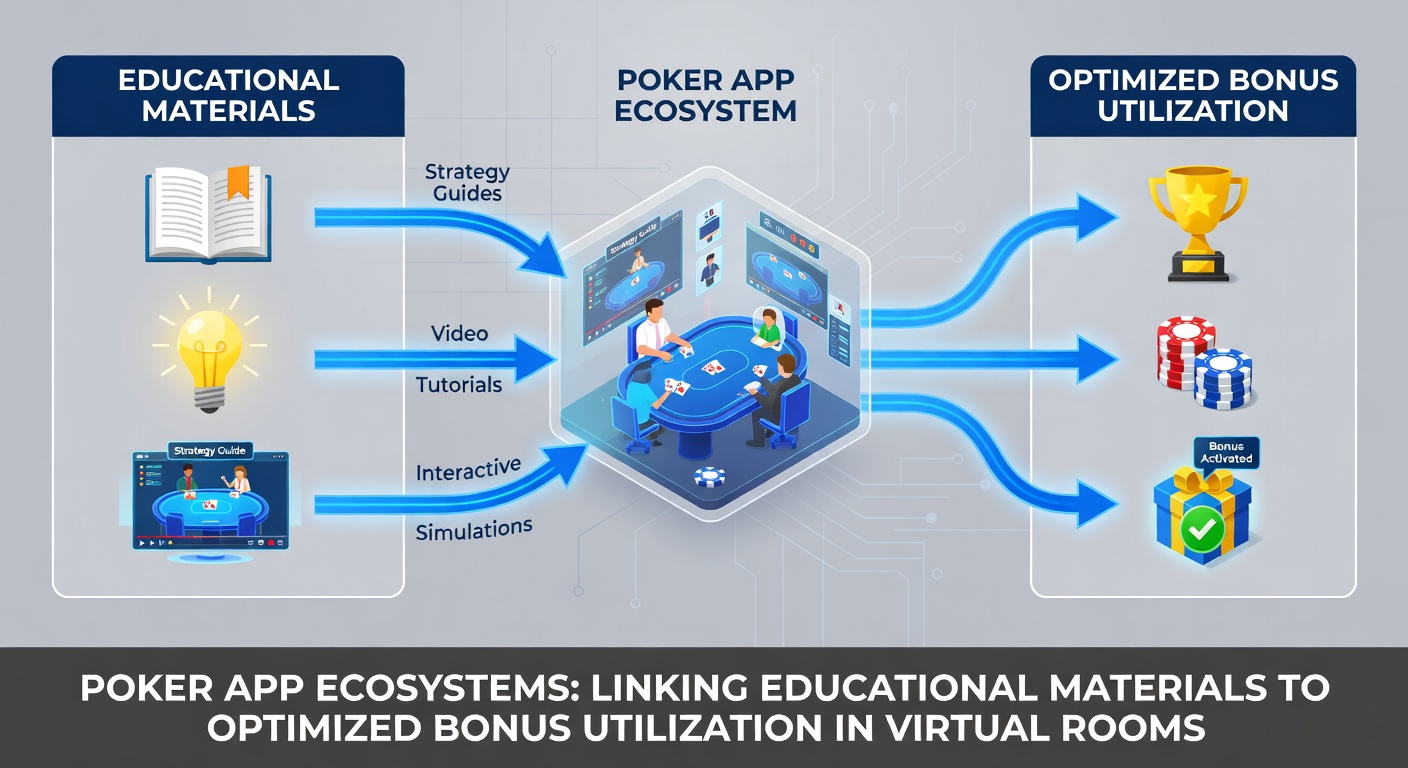
Online poker platforms have developed interconnected systems where instructional content sits alongside promotional tools, creating pathways for users to apply learned concepts directly to bonus mechanics in digital environments. These ecosystems combine structured lessons on game theory, bankroll management, and probability calculations with reward programs that include deposit matches, cashback tiers, and loyalty points, allowing participants to test strategies without immediate financial exposure. Data from regulatory filings shows that platforms operating in multiple jurisdictions maintain separate sections for video modules and interactive quizzes that explain bonus wagering requirements in detail.
Core Components of Educational Integration
Virtual rooms embed short-form guides and scenario-based simulations that walk through bonus activation sequences, such as how a 100% match bonus converts into playable credits after an initial deposit. Users encounter these materials during onboarding flows, where platform algorithms suggest specific lessons based on account activity like first-time deposits or frequency of play. Industry reports from the Nevada Gaming Control Board indicate that operators track completion rates of these modules, correlating higher engagement with sustained bonus redemption patterns over quarterly periods.
Many applications segment content by skill level, starting with basic explanations of rake structures and progressing to advanced topics like implied odds in multi-table tournaments. This progression aligns with tiered bonus systems where new players unlock introductory rewards after finishing foundational modules, while experienced accounts access reload bonuses tied to demonstrated knowledge through quiz scores. Observers note that such layering reduces common errors in bonus utilization, including premature cashouts that forfeit remaining wagering obligations.
Bonus Structures and Learning Pathways
Virtual poker rooms typically structure bonuses around time-limited windows or volume-based milestones, with educational overlays highlighting optimal timing for activation. For instance, freerolls scheduled during low-traffic hours often pair with tutorials on satellite qualification paths, showing how small entry bonuses can compound into larger tournament entries. Players access these resources through in-app libraries that update weekly to reflect current promotions, ensuring the material stays synchronized with available rewards.
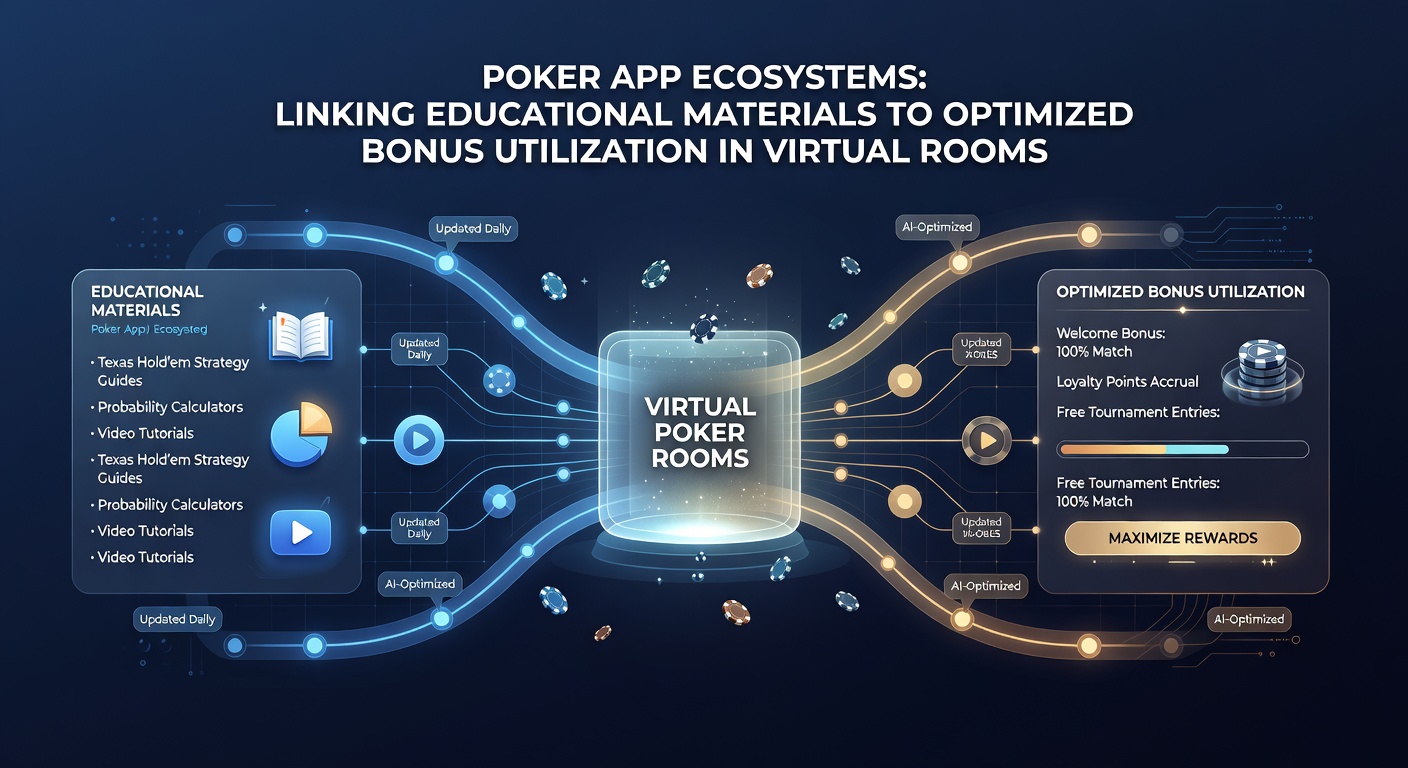
Research from academic sources, including studies published through the University of Nevada, Reno, examines how repeated exposure to these linked materials influences decision-making during bonus play periods. Figures reveal that participants who review probability modules before engaging with cashback offers tend to maintain longer session durations within the required playthrough thresholds. Platforms adjust recommendation engines accordingly, prioritizing certain lessons for users whose histories show early bonus forfeitures.
Regional Variations in Ecosystem Design
Operators licensed across different markets adapt these linkages to comply with local rules while preserving core functionality. In jurisdictions overseen by bodies such as the Australian Communications and Media Authority, emphasis falls on transparent disclosure modules that detail bonus expiration dates and geographic restrictions before any reward activates. European platforms incorporate similar features but often add language options for strategy content to serve diverse user bases.
North American apps frequently highlight state-specific regulations within their educational sections, directing users toward compliant bonus options that avoid restricted features. This approach supports smoother transitions between practice environments and real-money rooms, where accumulated knowledge from modules directly informs selections among competing promotions. Data shows that such tailored resources contribute to higher retention rates during promotional cycles.
Impact on Player Progression
Longitudinal tracking within these ecosystems demonstrates measurable shifts in how users allocate bonuses after engaging with educational sequences. Accounts that complete modules on variance management exhibit steadier progression through loyalty ladders, converting points into targeted rewards rather than spreading activity across unrelated offers. Platform analytics further indicate that integrated feedback loops, where quiz results trigger personalized bonus suggestions, help sustain momentum toward larger virtual room events.
Upcoming schedules for major circuits, including events planned for May 2026 in New Orleans, provide additional context for these systems as players build bankrolls through optimized app-based rewards ahead of live qualifiers. The linkage between instruction and promotion continues to evolve with updates to both content libraries and reward structures, reflecting ongoing adjustments based on aggregated user behavior metrics.
Conclusion
Poker app ecosystems maintain their structure through consistent alignment of educational resources with bonus frameworks, enabling users to navigate virtual rooms with greater precision. Regulatory data and platform metrics confirm that these connections support sustained participation patterns across varied market conditions, with ongoing refinements driven by performance indicators rather than isolated features.