28 May 2026
The Interplay Between Loyalty Tiers and Schedule Optimization in Virtual Poker Environments
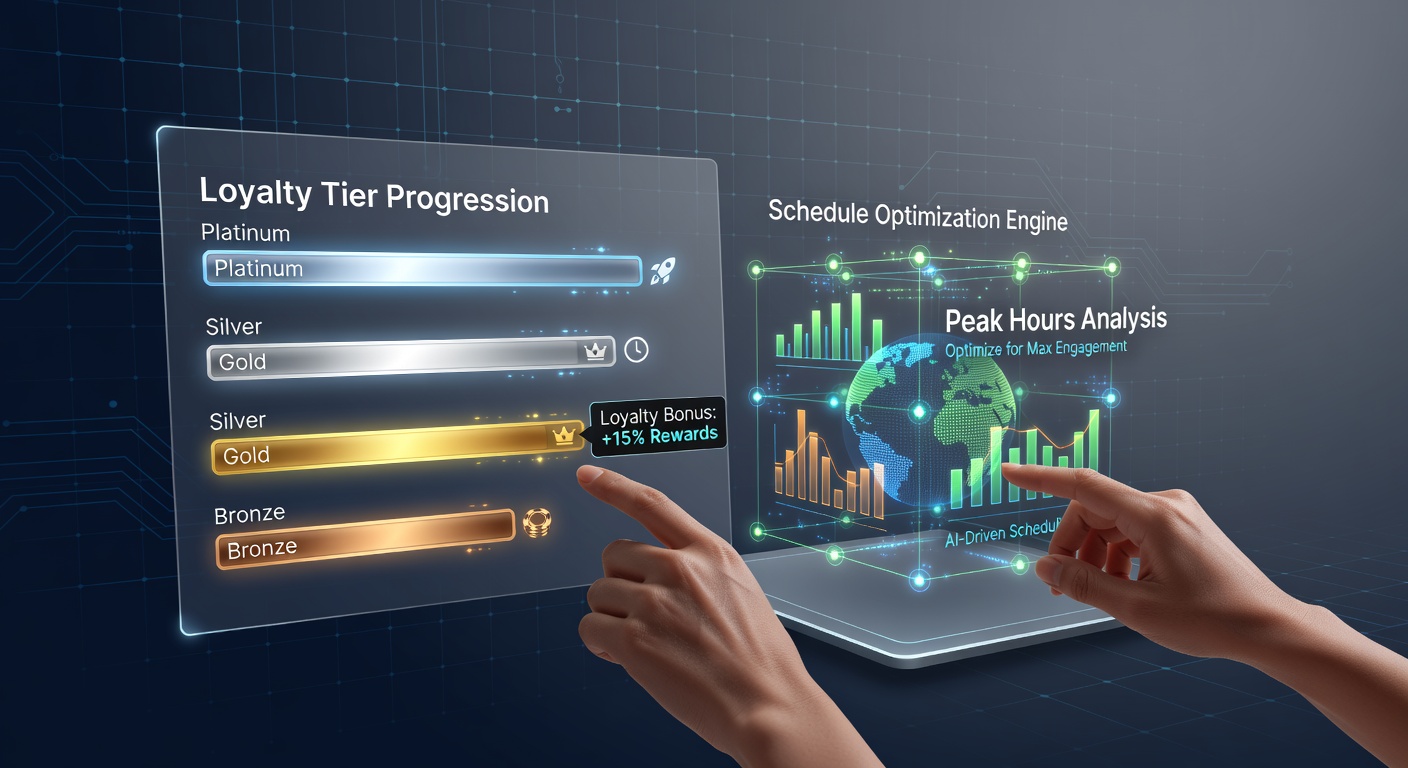
Virtual poker platforms integrate loyalty tier systems directly into their operational frameworks, where player progression through levels such as bronze, silver, gold, and platinum determines access to specific scheduling advantages and promotional windows.
These tiers accumulate through tracked metrics including hands played, rake generated, and tournament entries completed, with data from industry reports showing that participants at higher levels receive priority notifications for time-sensitive events and reduced competition periods.
Structure of Loyalty Programs in Digital Poker Rooms
Most virtual poker environments structure their loyalty programs around point accrual systems that reset or carry over on monthly or quarterly cycles, and observers note that this design encourages consistent session timing to maximize point multipliers during peak promotional hours.
Research indicates that platforms adjust tier thresholds based on overall player volume, with figures from the European Gaming and Betting Association revealing average progression rates where players reach silver status after approximately 500 tracked hands per month while platinum requires sustained activity exceeding 5,000 hands alongside minimum deposit volumes.
Schedule Optimization Techniques Linked to Tier Status
Players at elevated tiers gain tools for schedule optimization through features like early access to satellite qualifiers and private sit-and-go formats that run during off-peak hours when recreational traffic remains low.
Those who advance further unlock calendar integrations within the apps themselves, allowing automated alerts for events that align with their historical win rates and current tier benefits such as additional starting chips or fee rebates.
Impact of Tier Levels on Session Timing and Event Selection
Higher loyalty tiers correlate with shifts in preferred playing windows according to platform analytics, as gold and platinum members often concentrate activity around late evening European time slots or early morning Asian market peaks where overlaid prize pools become accessible through tier-exclusive invitations.
Data shows that these adjustments stem from algorithmic recommendations embedded in the software, which factor in a user's tier to suggest tournaments with favorable overlay statistics or freeroll entries that require minimum point thresholds for participation.
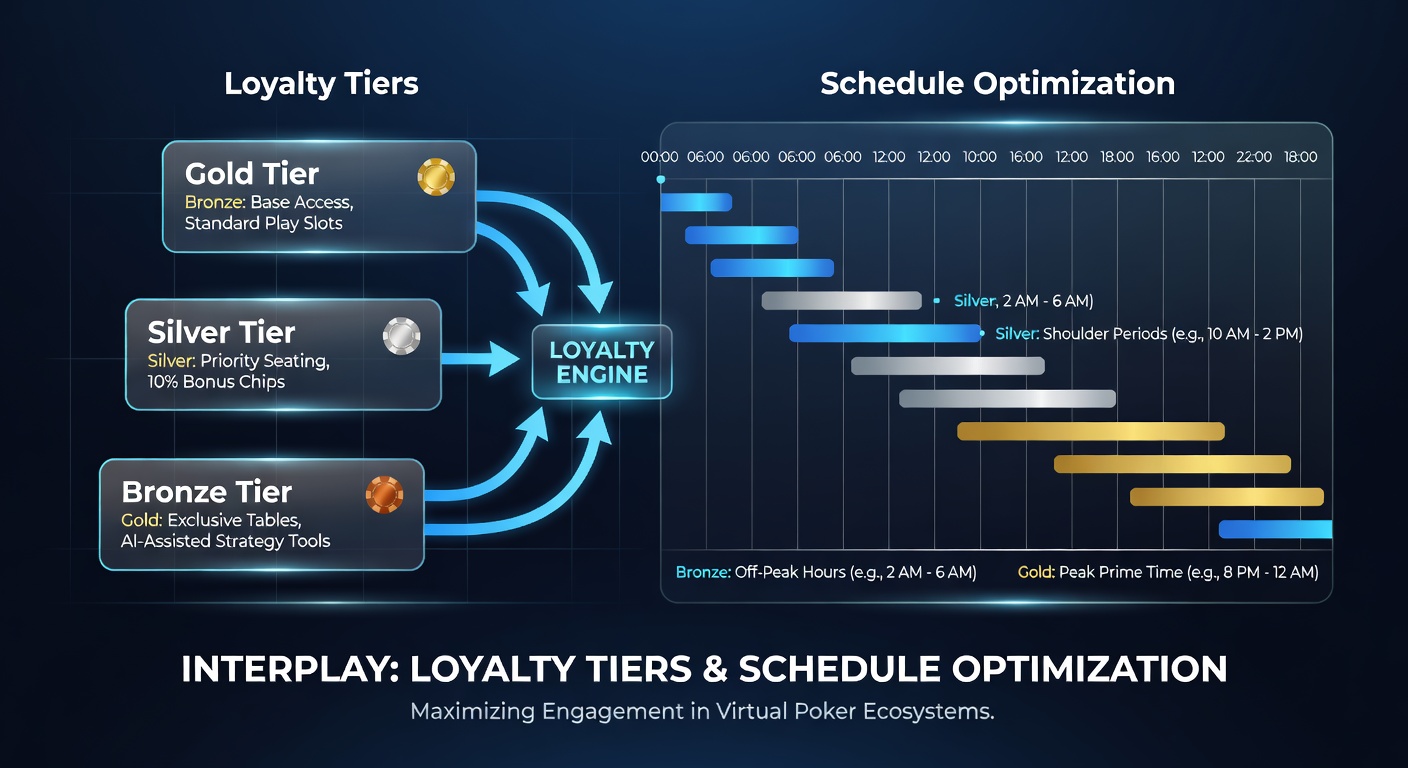
Platform operators report that tier-based scheduling tools reduce player churn by an average of 18 percent among active users, since the personalization creates perceived value that encourages longer-term engagement across multiple time zones.
Integration with External Tournament Calendars Including 2026 Events
Virtual poker environments frequently link their loyalty systems to broader tournament calendars, including preparations for the WSOP Circuit series returning to Caesars New Orleans in May 2026 for an 18-ring event lineup that features online satellites feeding directly into live qualifiers.
Participants holding advanced tiers receive dedicated scheduling interfaces that highlight these satellite paths alongside daily virtual offerings, enabling coordinated planning across both digital and physical venues without overlapping session conflicts.
Studies from academic sources on digital gaming behaviors highlight how such integrations allow tiered users to allocate bankroll portions strategically around known high-value periods like the May 2026 circuit while maintaining regular virtual room activity for ongoing point accumulation.
Data Patterns in Tier Progression and Timing Choices
Analytics from multiple platforms demonstrate that silver-tier players tend to cluster sessions around weekend evenings for volume-based promotions, whereas platinum members distribute play more evenly across weekdays to capitalize on exclusive early-bird tournaments with lower registration caps.
These patterns emerge because the underlying algorithms prioritize tier status when surfacing available tables and events, creating feedback loops where optimized timing accelerates further tier advancement through compounded rewards.
Conclusion
The connection between loyalty tiers and schedule optimization in virtual poker environments rests on measurable platform mechanics that reward consistent, data-informed participation with progressively better access to timed opportunities and event structures.
Continued development in these systems aligns player activity with both internal promotions and external calendars such as the 2026 WSOP Circuit, producing environments where tier status directly shapes effective time allocation strategies across global user bases.