9 Jun 2026
The Role of Achievement Badges in Digital Poker Applications for Unlocking Tournament Entry Opportunities
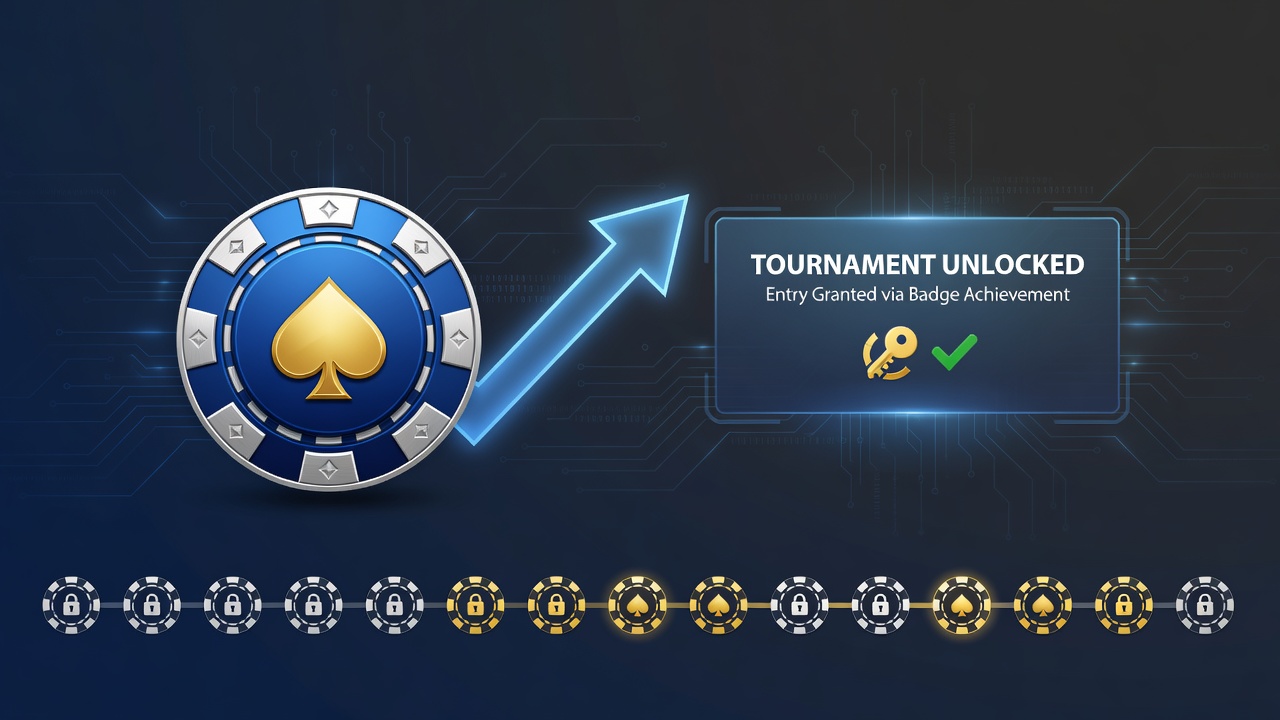
Achievement badges function as structured milestones within digital poker platforms, where users complete specific tasks such as accumulating hands played, reaching win streaks, or participating in certain game variants to earn digital markers that convert directly into tournament entries. These systems operate across multiple applications including those operated by major operators, and they tie progress tracking to entry qualifications without requiring separate cash deposits for select events. Data from platform reports indicates that badge-based entries account for a measurable portion of satellite qualifiers each month, particularly in mobile-first environments where session tracking runs continuously.
Mechanics of Badge Systems in Poker Applications
Platforms assign badges through automated tracking modules that monitor metrics like total hands, rake contributed, or specific achievements such as eliminating opponents in multi-table tournaments. Once earned, a badge appears in a user's profile and can be redeemed for tournament tickets that carry defined buy-in values, often ranging from micro-stakes events up to mid-tier competitions. The process integrates with loyalty frameworks but remains distinct because redemption happens independently of tier points, allowing newer users to access entries through targeted activity rather than volume alone. Observers note that several applications update badge requirements seasonally, with adjustments announced ahead of major series to align with increased traffic periods.
Examples Across Major Platforms
GGPoker implements a badge collection tied to its daily and weekly missions, where completing sets unlocks direct entries into events listed on the tournament schedule. Similar structures appear in PokerStars mobile clients, where badges earned through cash game volume or sit-and-go completions feed into satellite pools. These mechanics differ from standard freeroll access because they require demonstrated activity thresholds before granting eligibility. One study published by researchers at the University of Nevada examined gamification elements in online gaming applications and found measurable increases in session duration when reward pathways like badges connect to competitive access. The report, available through the university's gaming research archive, highlights how such features operate within regulated frameworks overseen by bodies including the Nevada Gaming Control Board.
Connection to Tournament Qualification Pathways
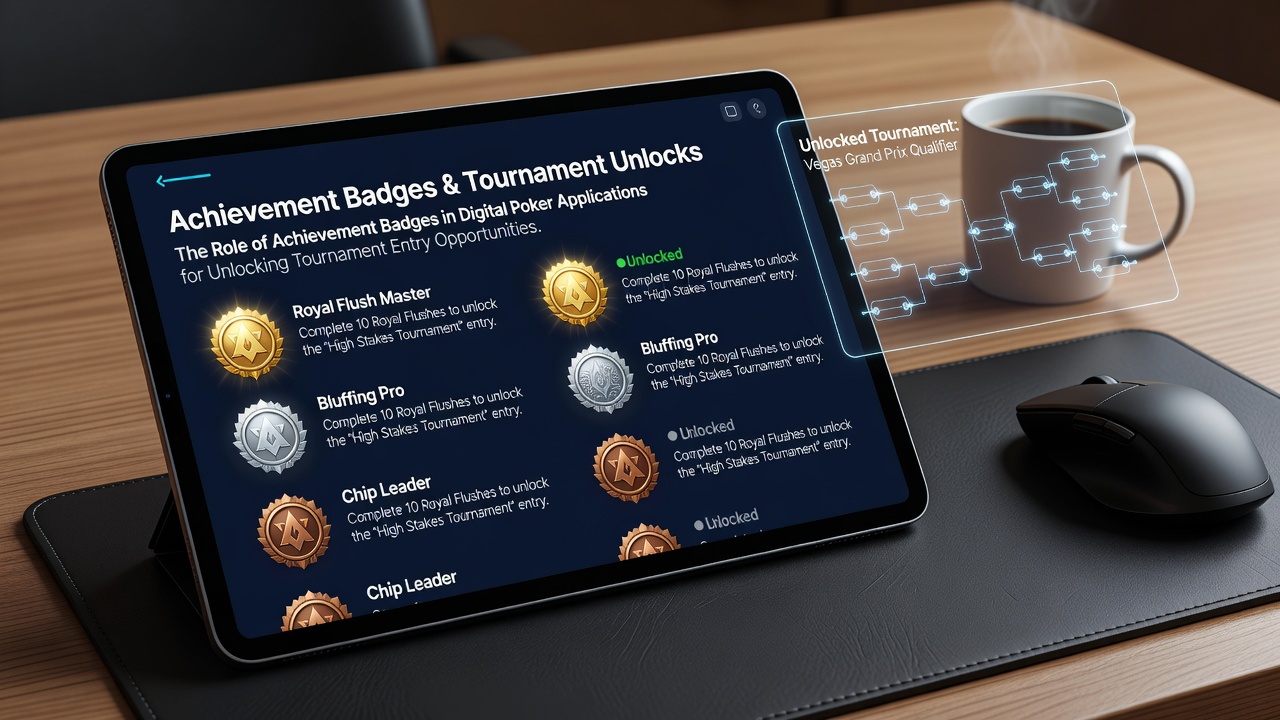
Badges frequently serve as gateways into larger qualification structures, where earned entries feed into multi-stage satellites leading to flagship events. In practice, a user might accumulate several badges during regular play and combine them for entry into a regional qualifier that advances winners to televised finals. This pathway operates alongside traditional deposit-based entries, creating parallel routes that platform analytics show attract distinct user segments. June 2026 schedules for several applications include expanded badge redemption windows timed with circuit stops, allowing accumulated markers from prior months to apply toward events in New Orleans and other host cities. Regulatory filings from Canadian provincial gaming authorities document similar integrations in licensed platforms operating across provincial borders.
Data Patterns and Platform Reporting
Industry reports compiled by the American Gaming Association track the prevalence of reward-linked entries across digital poker segments, revealing that badge redemptions represent a consistent share of total tournament participation in mobile channels. These figures align with internal platform disclosures that separate badge-derived entries from those funded through direct purchases or loyalty points. What's interesting is how the systems adapt during high-volume periods, with temporary badge multipliers introduced to match increased player counts. Academic papers from European research institutions, including work conducted at the University of Malta's gaming studies program, analyze retention metrics associated with milestone systems and note correlations between badge completion rates and continued platform activity over six-month observation windows.
Regional Regulatory Context and Compliance
Operators maintain badge systems under licensing requirements set by various authorities, such as those in Australian states where digital gaming receives oversight from state commissions. Compliance documentation specifies that badge values must correspond to verifiable activity levels and that redemption terms appear clearly within application interfaces. This framework ensures entries unlocked through badges follow the same eligibility rules applied to purchased tickets, including age verification and geographic restrictions. Figures released through industry associations indicate steady growth in badge-related features across licensed operators since 2023, driven by updates to mobile infrastructure rather than changes in core game rules.
Conclusion
Achievement badges continue to integrate wth tournament entry systems in digital poker applications by converting tracked user activity into redeemable qualifications. The approach appears across multiple platforms and aligns with seasonal schedules, including those planned for mid-2026. Available data from regulatory filings and academic reviews shows these features operate within established compliance structures while providing additional access routes alongside conventional entry methods.