7 Jul 2026
Tracing Links Between Poker Learning Modules and Dynamic Bonus Frameworks in Smartphone Rooms for Enhanced Event Participation
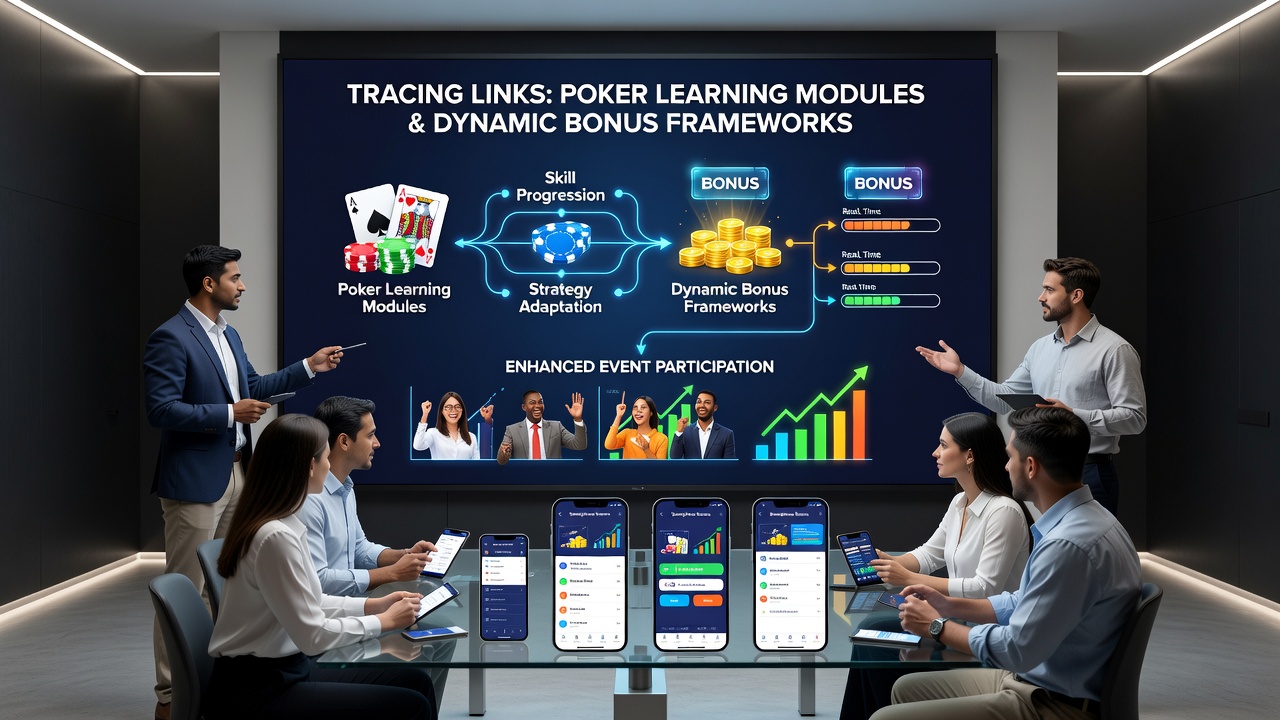
Smartphone poker platforms continue to evolve their structures around educational content and variable reward systems that connect directly to tournament access. Observers note these integrations create pathways where users progress through structured lessons and unlock incentives that align with scheduled events rather than operating in isolation. Data from mobile gaming reports shows participation rates rise when learning sequences feed into bonus adjustments that reduce entry barriers for competitions.
Educational Content as Entry Points
Many applications organize poker instruction into sequential modules covering hand rankings, position play, and probability calculations. These resources sit within the same interface that manages account funding and event registration, which allows the system to track completion metrics and adjust available promotions accordingly. Researchers at institutions tracking digital entertainment patterns have documented how completion of core modules often triggers eligibility flags for time-limited offers tied to specific tournaments.
Platforms maintain logs of user interaction with these modules, and the resulting data feeds algorithms that personalize bonus values. For instance, a user who finishes a series on pot odds receives offers scaled to their demonstrated skill level, which in turn opens entry to mid-stakes events that would otherwise require higher deposits. Figures from industry analytics indicate this linkage reduces drop-off between casual play and structured competition.
Dynamic Bonus Structures and Their Mechanics
Bonus frameworks in smartphone rooms operate on variable parameters that change based on user activity patterns, including module completion, session frequency, and deposit history. Rather than static welcome packages, these systems recalibrate in real time, offering boosted rewards during periods leading into major events. One documented approach ties bonus multipliers to verified progress through strategy archives, creating direct incentives for continued learning.
Implementation details vary across operators, yet common elements include tiered reward ladders where each educational milestone unlocks a higher percentage match or freeroll ticket. This setup encourages users to view learning not as separate from play but as a prerequisite for optimized event access. Reports compiled by regional gaming authorities, such as those referenced through the Nevada Gaming Control Board, highlight how such mechanisms appear in compliance filings for mobile poker products.
Platform Integration Patterns Observed in 2026
By July 2026 several major smartphone poker services had expanded their application programming interfaces to synchronize learning progress with live event calendars. Users receive notifications when module completion aligns with upcoming tournaments that carry bonus-enhanced entry options. This synchronization reduces friction between education and participation, as the same dashboard displays both completed lessons and corresponding reward eligibility.
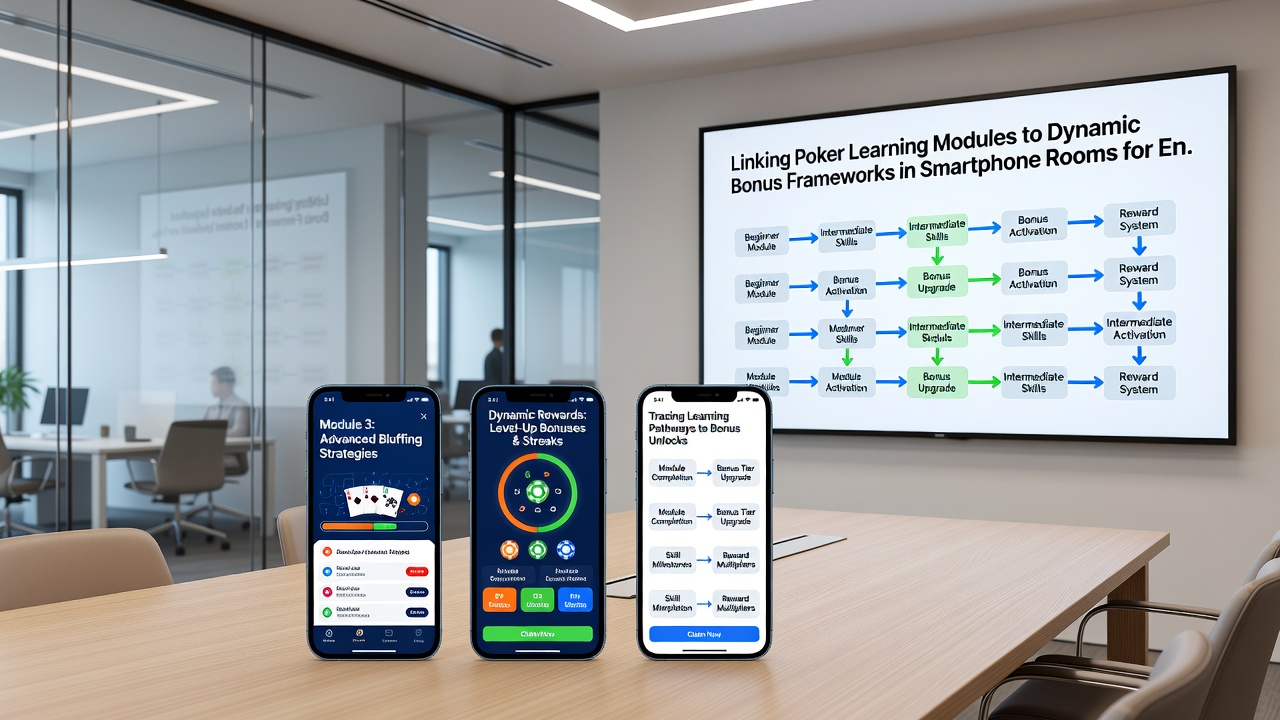
Operators achieve this through backend systems that pull data from educational databases and feed it into promotional engines. The result appears in user interfaces as highlighted event listings accompanied by personalized bonus amounts. According to aggregated usage statistics shared in trade publications, platforms employing these connections report higher conversion from tutorial users to active tournament participants compared with those maintaining separate learning and rewards sections.
Event Participation Outcomes
Tracking studies conducted across multiple virtual rooms reveal measurable increases in tournament entries when bonuses activate following educational milestones. Participants who engage with modules demonstrate longer retention in event series, partly because the reward structures provide repeated entry opportunities without additional outlay. This pattern holds across different regions, with similar observations reported in analyses from Australian regulatory reviews and Canadian provincial gaming reports.
External linkages further extend these effects, as some platforms partner with live circuit organizers to convert in-app achievements into qualification routes. Completion badges or bonus accumulations translate into satellite entries or direct buy-in credits for festivals scheduled later in the year. Such pathways appear most frequently in applications that maintain unified profiles across mobile and live environments.
Conclusion
The connections between poker learning modules and dynamic bonus frameworks in smartphone rooms continue to shape how users transition into event participation. These integrations rely on data-driven adjustments that reward educational progress with tangible access advantages, and they operate within regulatory environments documented by multiple oversight bodies. As platforms refine their systems through 2026 and beyond, the observable result remains increased alignment between skill development resources and competitive opportunities in virtual poker spaces.