26 Jul 2026
Tracing Performance Data from App-Based Competitions to Qualification Slots in Global Poker Festivals
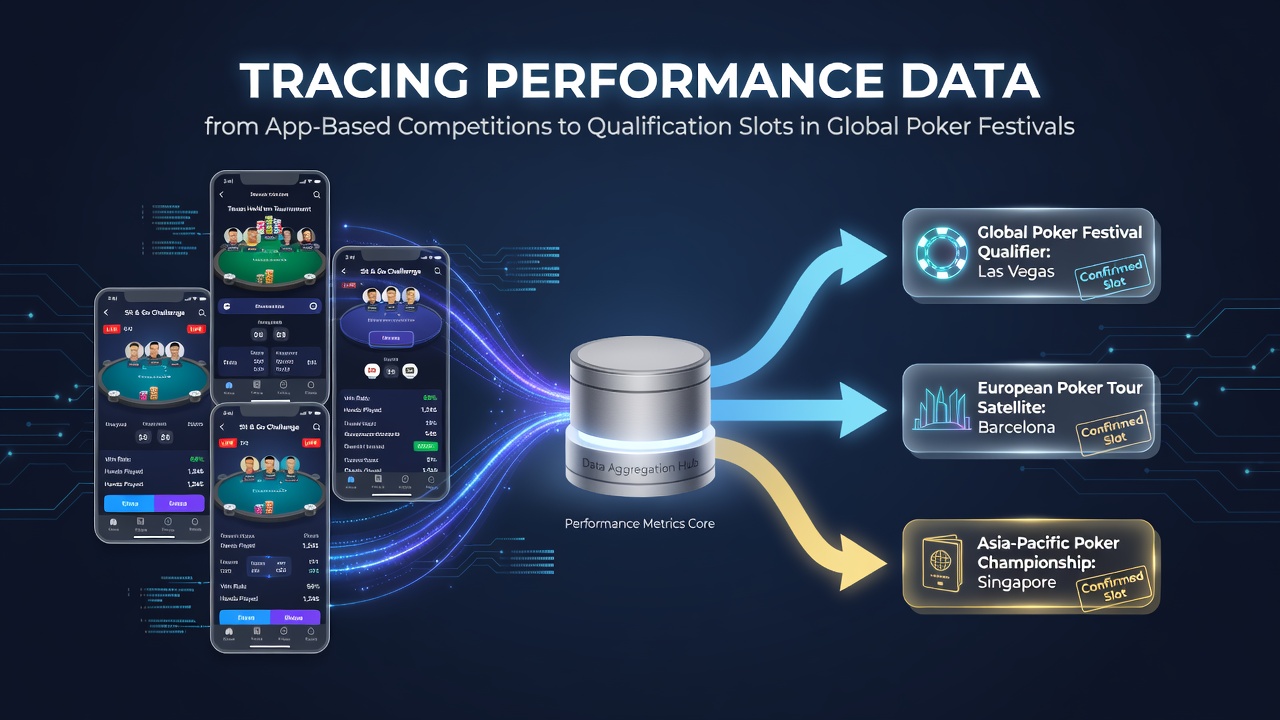
Performance data collected through mobile poker applications flows into qualification pathways that grant entry to major live poker festivals around the world, and this process relies on integrated tracking systems that monitor wins, streaks, and rankings in real time. App developers maintain detailed records of player achievements which then connect directly to satellite events and tiered reward programs that award seats at festivals such as the World Series of Poker and Triton series. These systems operate across multiple platforms where cumulative results from virtual competitions determine eligibility for live events scheduled throughout the year including openings in July 2026.
Core Mechanisms of Data Collection in Mobile Platforms
Smartphone poker rooms capture extensive metrics including win rates, session durations, and achievement badges that users earn through consistent participation in daily and weekly competitions. These records aggregate into leaderboards that rank participants and identify those who qualify for progression opportunities, while algorithms adjust qualification thresholds based on overall field sizes and prize pool contributions. Observers note that data from these apps often links to external tournament organizers who verify player histories before confirming live event entries, and this verification step ensures compliance with festival rules on prior performance.
One study revealed patterns where players advancing through app-based qualifiers demonstrate measurable improvements in key statistics such as voluntary put money in pot percentages and aggression factors over successive months. Researchers discovered correlations between badge collections and subsequent qualification success rates, yet the exact formulas remain proprietary to each platform. Data indicates that platforms update their tracking dashboards frequently to reflect new promotion cycles that open additional pathways to international circuits.
Pathways from Virtual Leaderboards to Live Festival Entries
Qualification slots emerge when app operators partner with festival organizers to allocate a set number of entries based on leaderboard positions or streak milestones reached during designated periods. These partnerships specify how many top-ranked users receive direct access to preliminary events that feed into main festival schedules, and the process typically includes automated notifications sent through the app interface. Figures reveal that several major festivals reserve between five and fifteen percent of their total field for app-derived qualifiers in recent cycles.
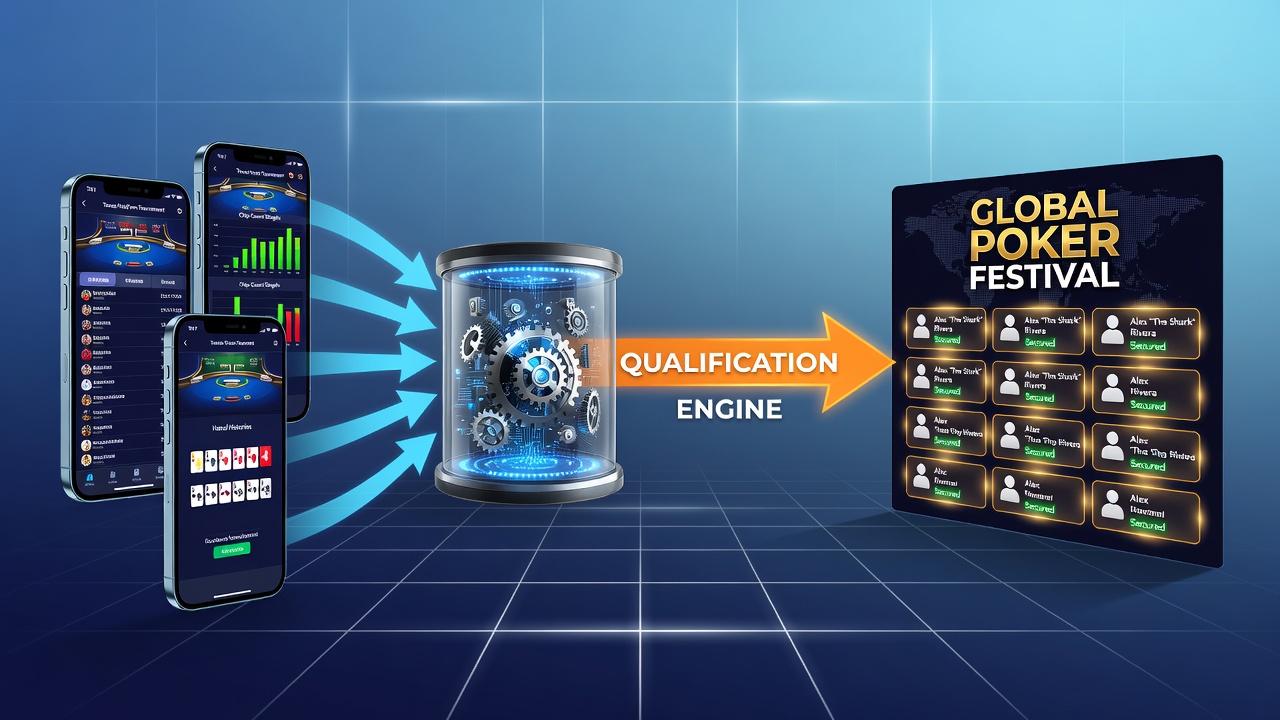
Take one case where experts found that a series of virtual win streaks tracked across three consecutive months translated into a sponsored package covering travel and accommodation for a European festival circuit stop. Those who've studied these transitions know that platforms often require minimum deposit thresholds or loyalty tier maintenance before unlocking the final qualification step, and this requirement creates a structured progression that filters participants. What's interesting is how seasonal incentives in July 2026 align with certain app campaigns to boost qualification numbers ahead of peak festival months.
Integration with Regulatory and Industry Standards
Regulatory bodies such as the Nevada Gaming Control Board oversee aspects of data handling in licensed mobile operations that feed into global events, while industry groups monitor fair distribution of qualification opportunities across regions. According to reports from the European Gaming and Betting Association, standardized reporting protocols help ensure that performance data remains secure during transfer between app servers and festival registration systems. These protocols include audit trails that track every metric used in qualification decisions.
Research indicates that academic examinations of player progression tools have identified direct ties between in-app accomplishment systems and live circuit access, particularly in markets where mobile participation has grown steadily. Observers note that variations exist by geographic region, with some festivals incorporating data from multiple app ecosystems to broaden their qualifier pools. This approach allows organizers to draw from diverse player bases while maintaining consistent qualification criteria.
Case Examples of Successful Data-Driven Qualifications
There's this case where experts found that cumulative results from a series of limited-time app promotions led to multiple players securing entries in a high-profile Asian festival circuit. People who've tried this often discover that maintaining consistent activity levels across linked accounts increases visibility on progression trackers, and the resulting qualification notices arrive via in-app messages that detail next steps for live event registration. Additional examples show how badge-based systems in certain platforms have opened sponsored routes to events in North America and Australia during overlapping festival seasons.
Turns out that July 2026 schedules for several global festivals incorporate expanded qualifier slots tied to app performance data, reflecting increased integration between virtual and live formats. Industry reports from the Australian Casino Association highlight how these connections support broader participation while adhering to local compliance requirements on player tracking.
Conclusion
The flow of performance data from app-based competitions continues to shape access to qualification slots at global poker festivals through established tracking, verification, and partnership frameworks. Evidence suggests these systems will expand further as platforms refine their metrics and festivals adjust their entry allocations to include more mobile-derived participants. Data from regulatory sources and industry analyses confirms the operational links that make this progression possible across different regions and event calendars.